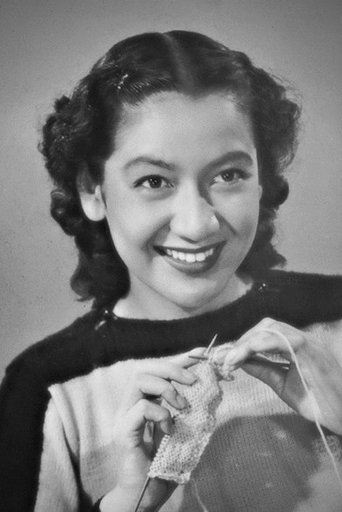
9 titles in this catalog with a median Balasaur Score of 84. The 1950s rate best: median 86 across 4 titles. Setsuko Hara appears most often alongside Yasujirō Ozu (6 titles), Chieko Higashiyama (4), Chishū Ryū (4).
Biography
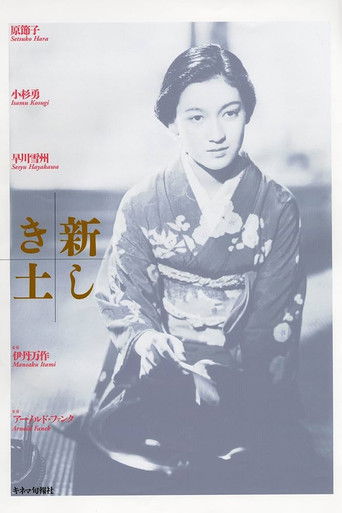
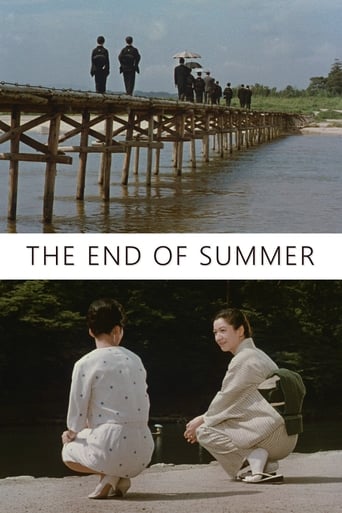
From Wikipedia, the free encyclopedia. Setsuko Hara (June 17, 1920 – September 5, 2015) was a Japanese actress who appeared in six of Yasujirō Ozu's films, most notably as Noriko in the "Noriko Trilogy": Late Spring (1949), Early Summer (1951), and Tokyo Story (1953). Her other films for Ozu were Tokyo Twilight (1957), Late Autumn (1960), and finally The End of Summer in 1961. She was born Masae Aida in Yokohama, Kanagawa prefecture. She came to prominence as an actress at an early age, in the 1937 German-Japanese co-production Die Tochter des Samurai (Daughter of the Samurai), known in Japan as Atarashiki Tsuchi (The New Earth), directed by Arnold Fanck and Mansaku Itami. She also starred in films by Akira Kurosawa, Mikio Naruse, and other prominent directors. She was called "the Eternal Virgin" in Japan and is a symbol of the golden era of Japanese cinema of the 1950s. She suddenly quit acting in 1963 (the same year as Ozu's death), and led a secluded life in Kamakura, refusing all interviews and photographs. Her last major role was Riku, wife of Ōishi Yoshio, in the 1962 film Chushingura. She was the inspiration for the protagonist of the 2001 movie Millennium Actress. Description above from the Wikipedia article Setsuko Hara, licensed under CC-BY-SA, full list of contributors on Wikipedia.
Acting 84
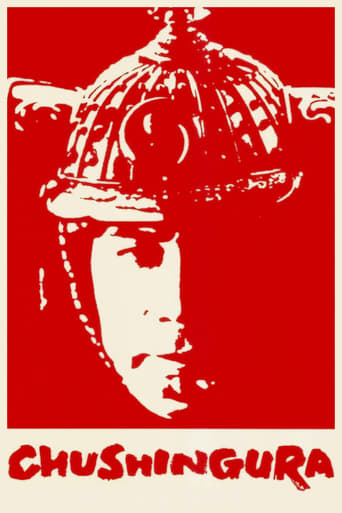
Chûshingura
1962
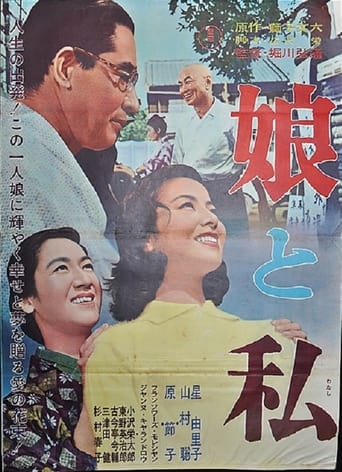
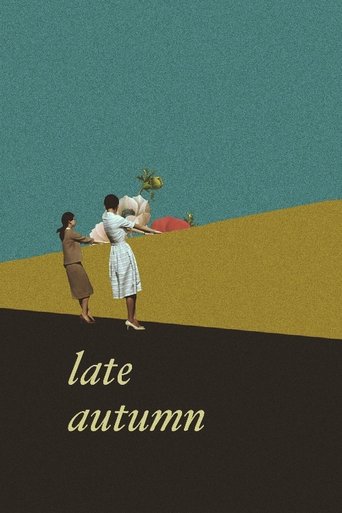
Late Autumn
1960
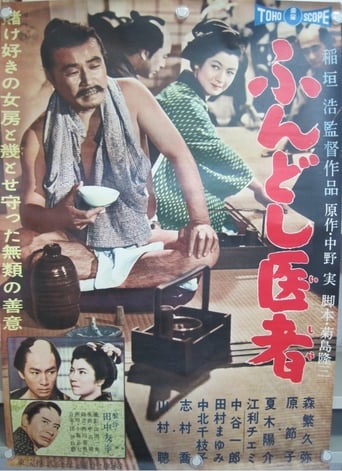
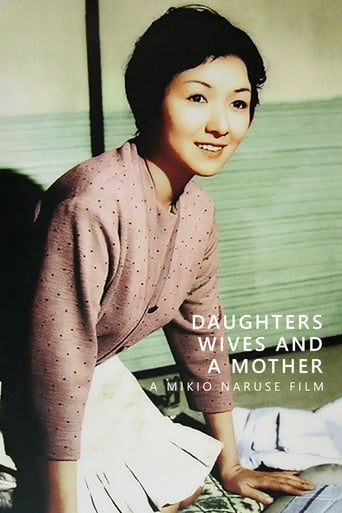
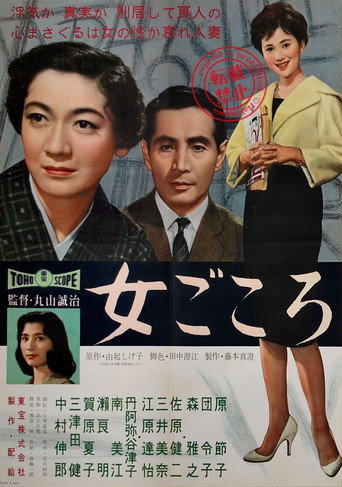
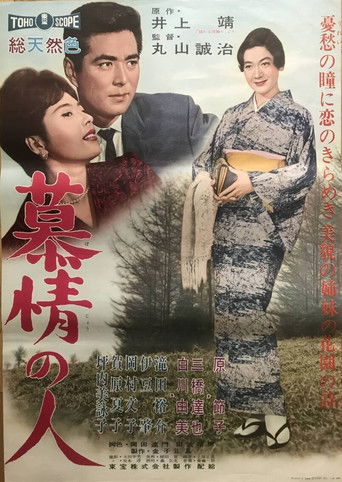
A Woman's Heart
1959
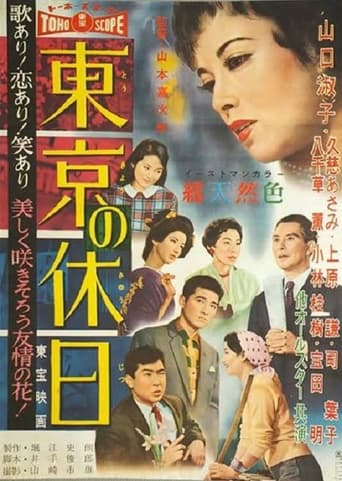
Holiday in Tokyo
1958
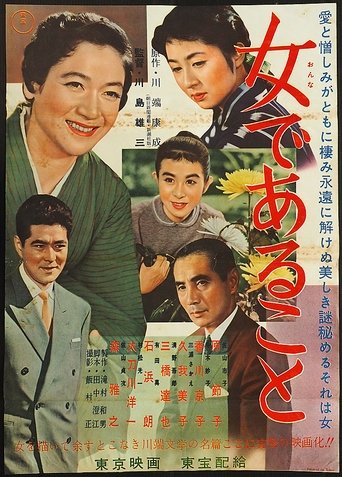
Woman Unveiled
1958
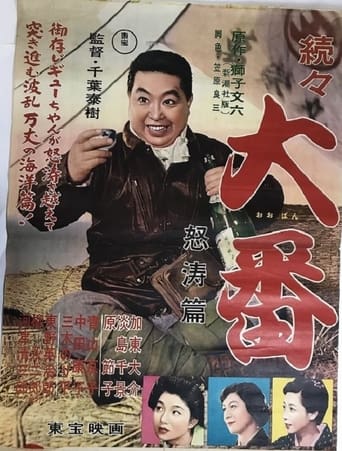
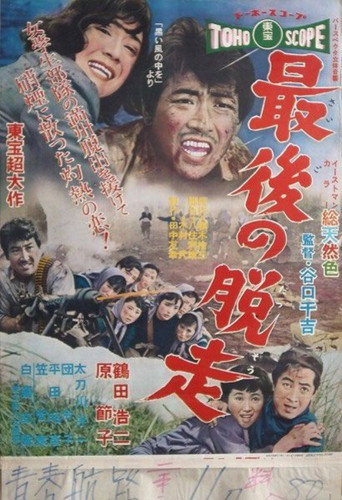
The Last Escape
1957
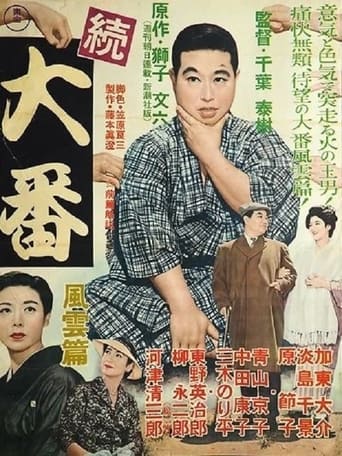
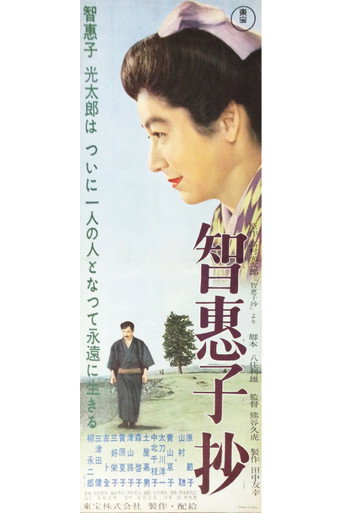
The Chieko Story
1957
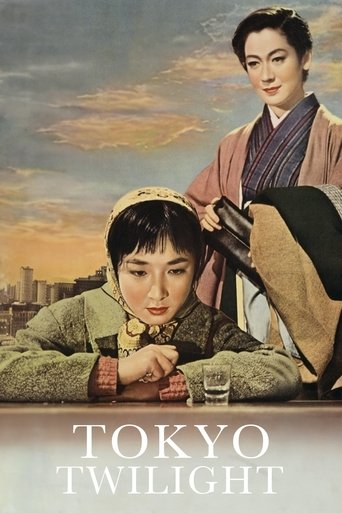
Tokyo Twilight
1957
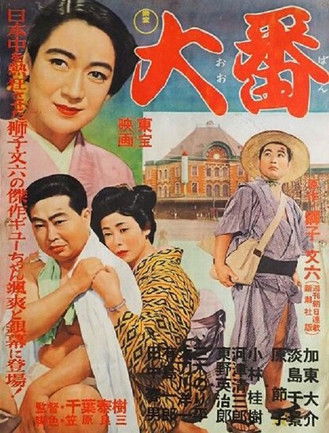
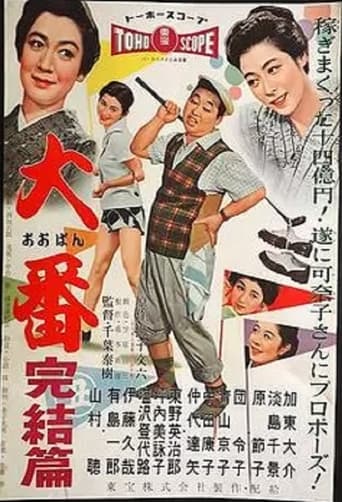
Ôban
1957
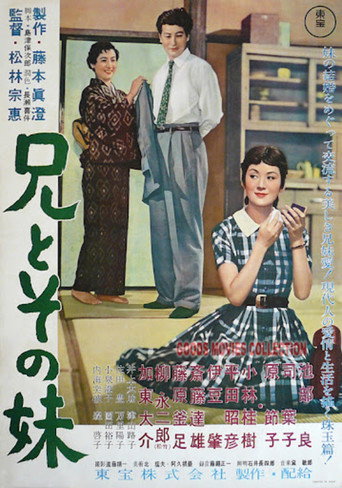
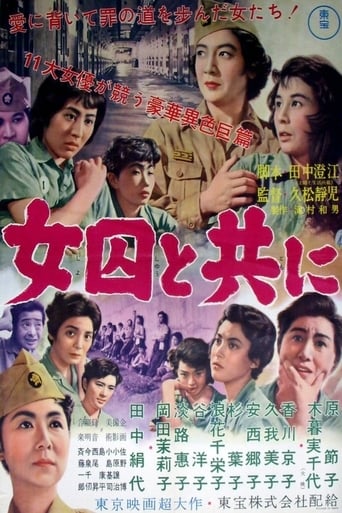
Women in Prison
1956
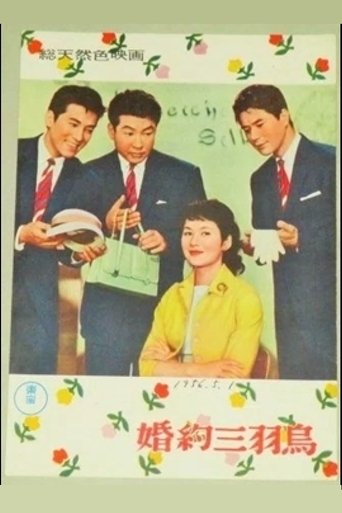
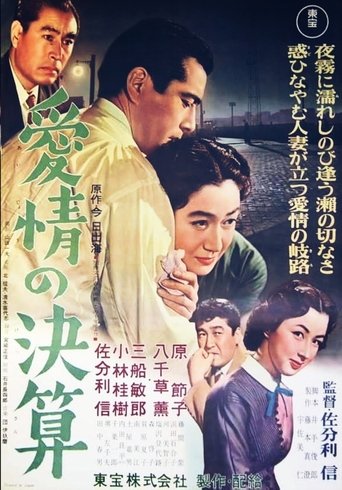
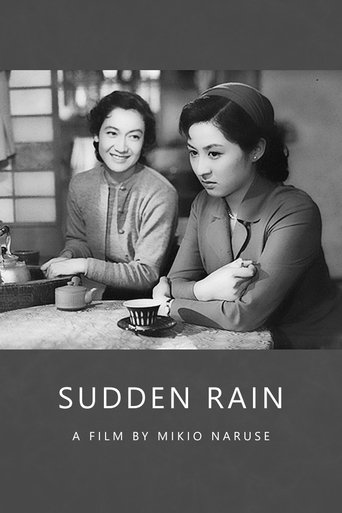
Sudden Rain
1956
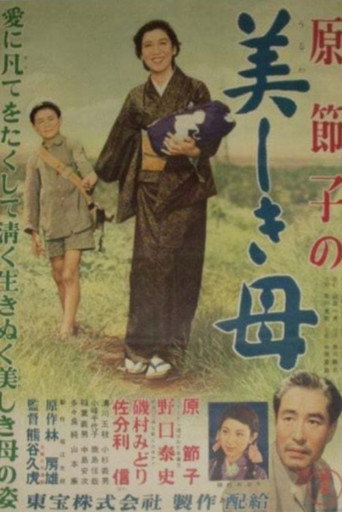
Image of Mother
1955
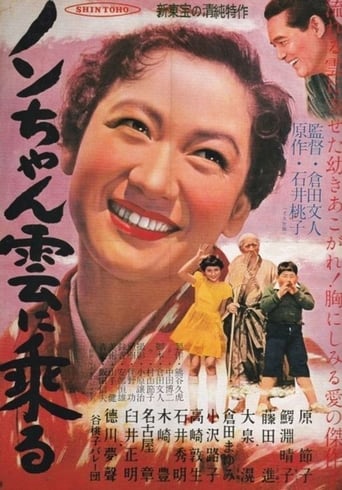

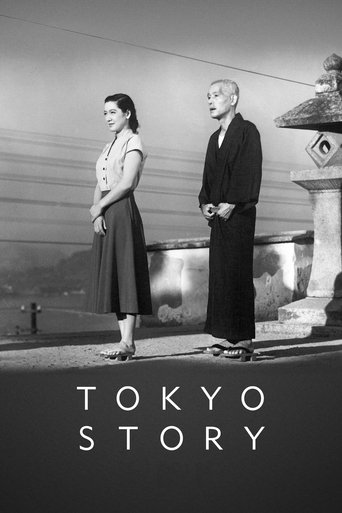
Tokyo Story
1953
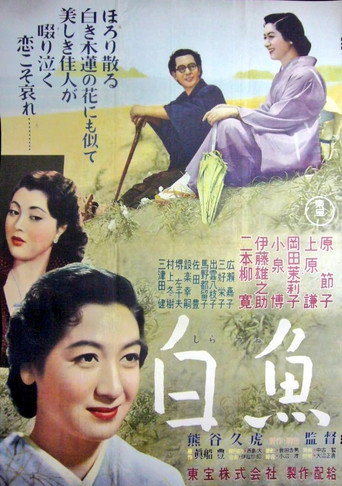
White Fish
1953
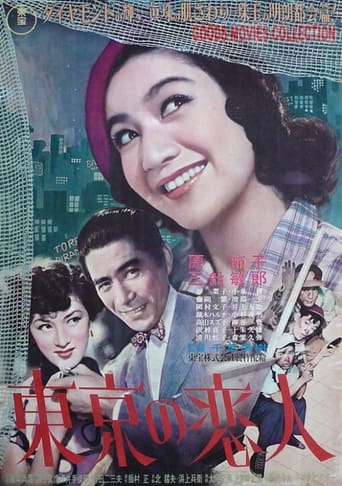
Tokyo Sweetheart
1952
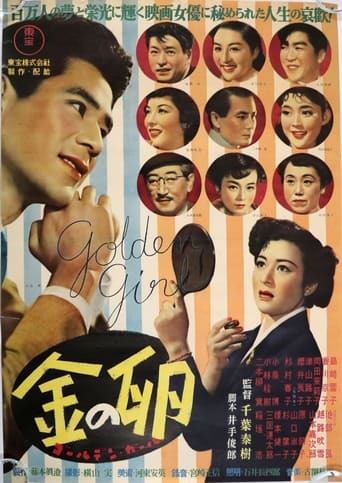
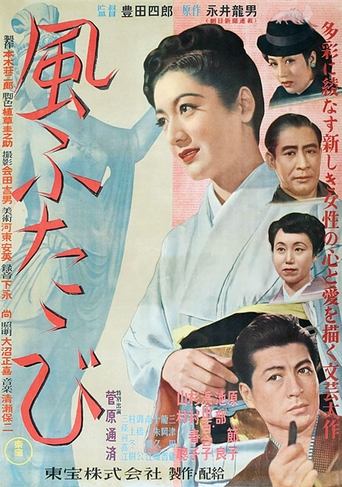
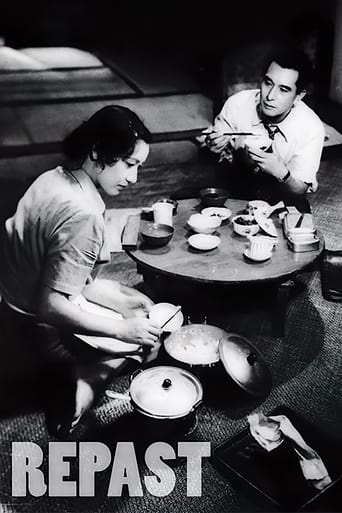
Repast
1951
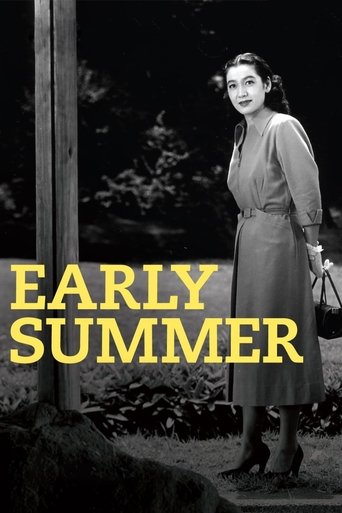
Early Summer
1951
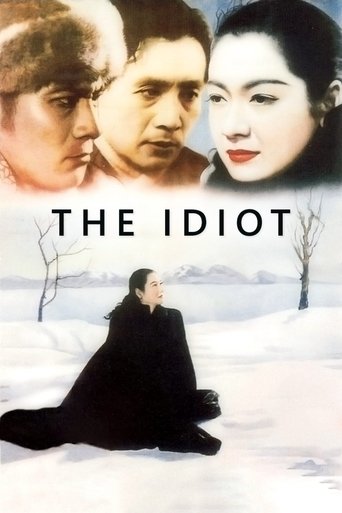
The Idiot
1951

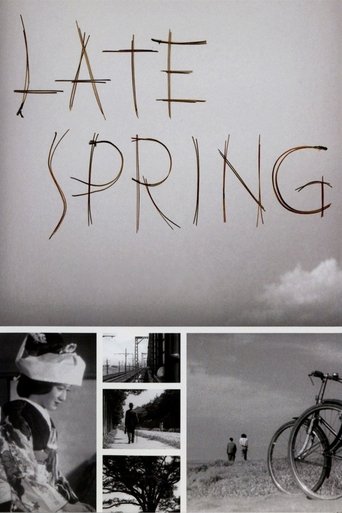
Late Spring
1949
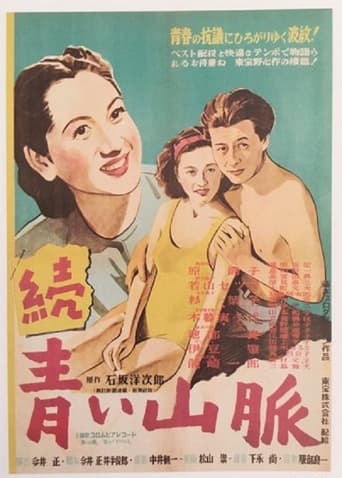
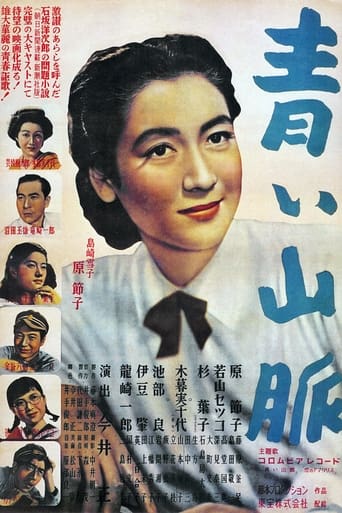
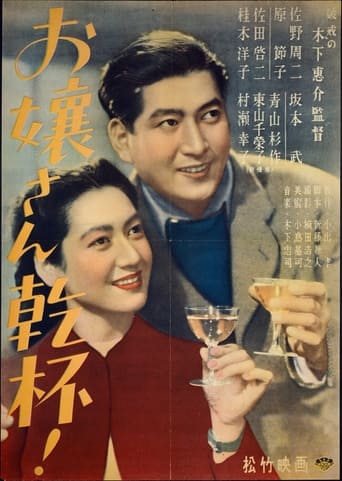
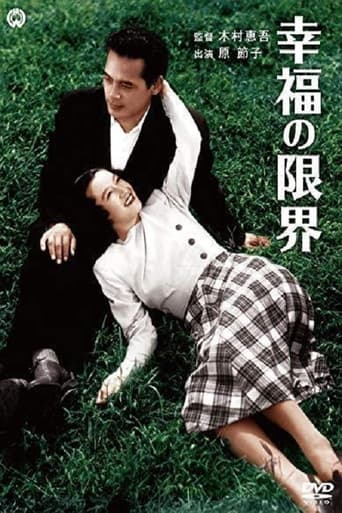
Kōfuku no genkai
1948

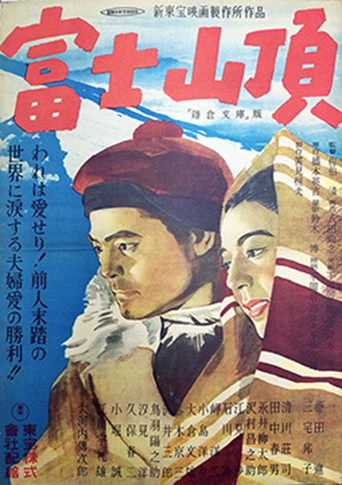
Fujisancho
1948
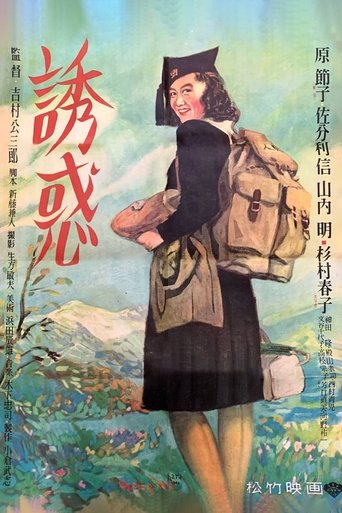
Temptation
1948
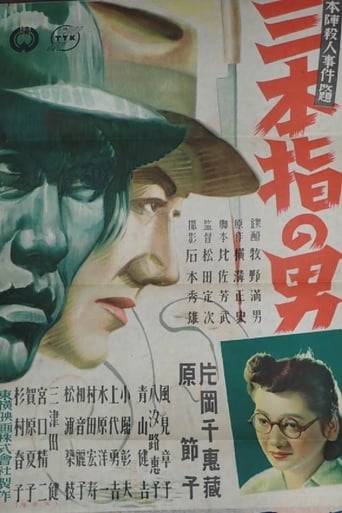

Beauty
1946
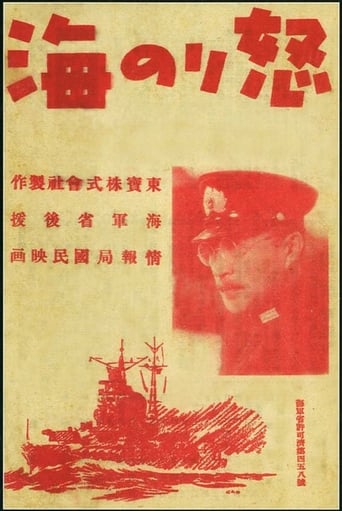
The Cruel Sea
1944
Searing Wind
1943
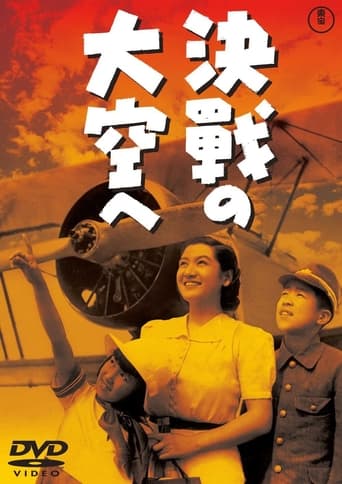
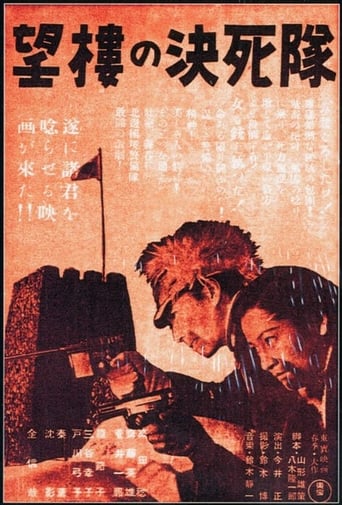
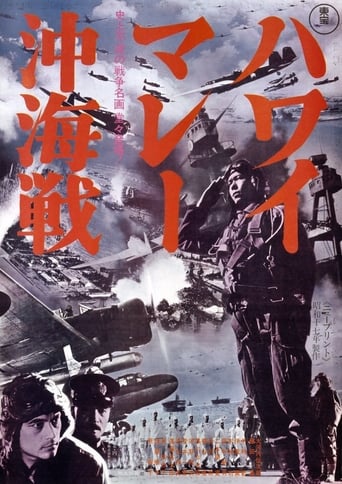
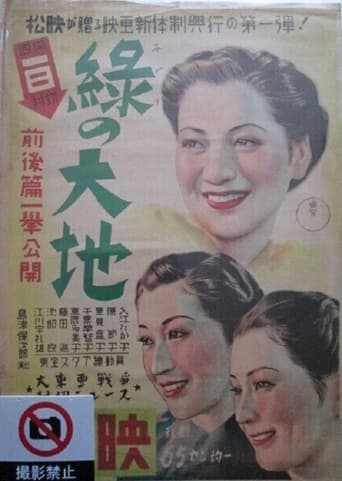
Green Earth
1942
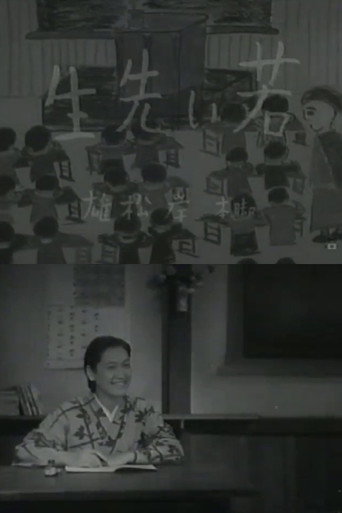
Young Teacher
1942
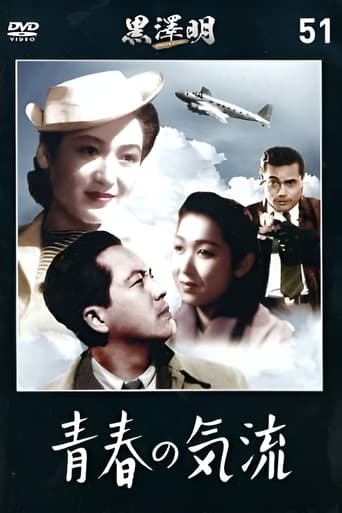
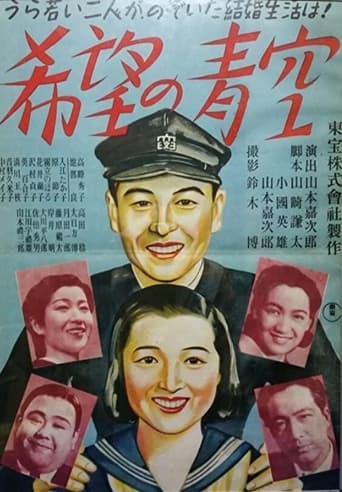
Sky of Hope
1942
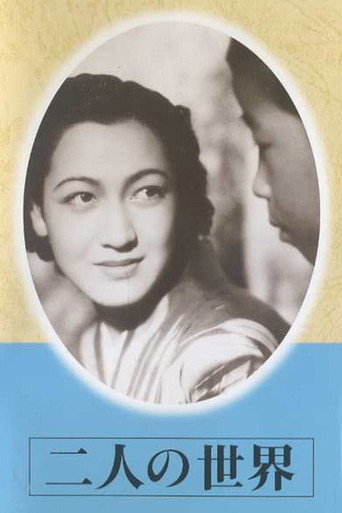
A World of Two
1940
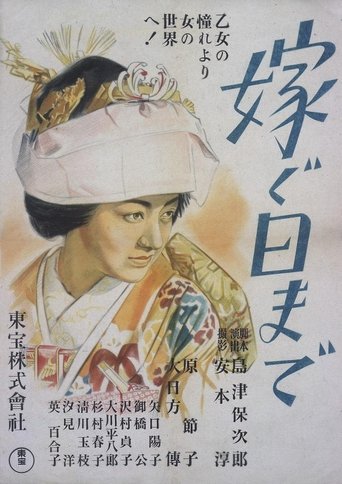
Wedding Day
1940
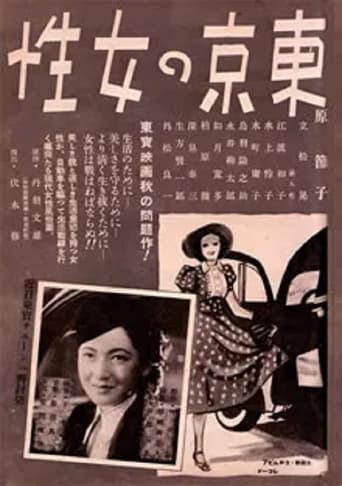
Women in Tokyo
1939
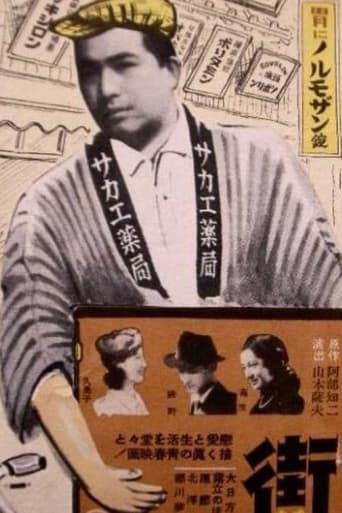
The Town
1939
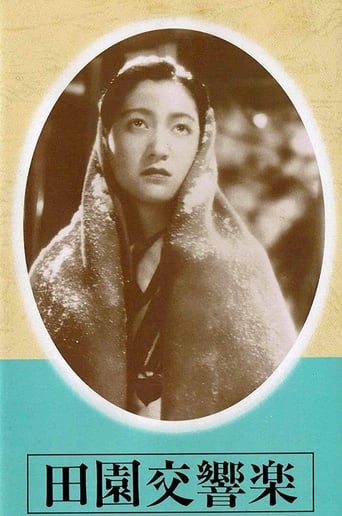
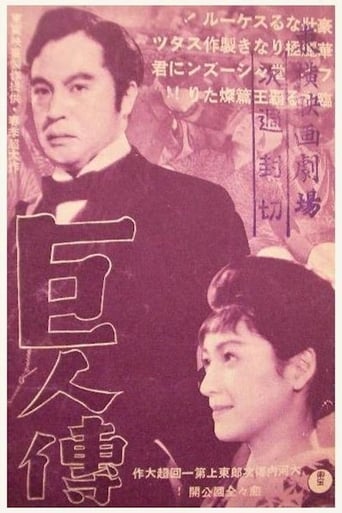
The Giant
1938
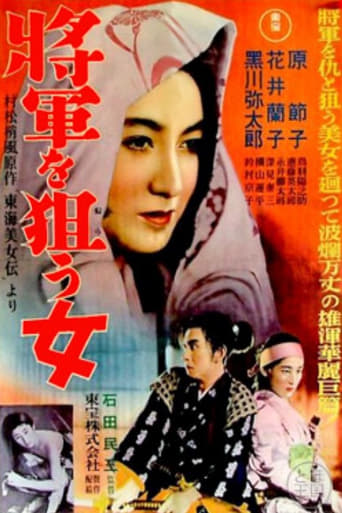
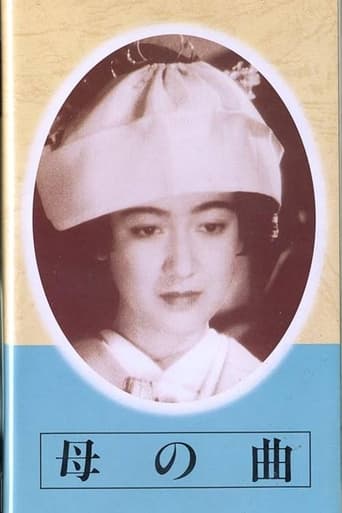
Mother's Melody
1937