
Highest rated as cast or director



Biography
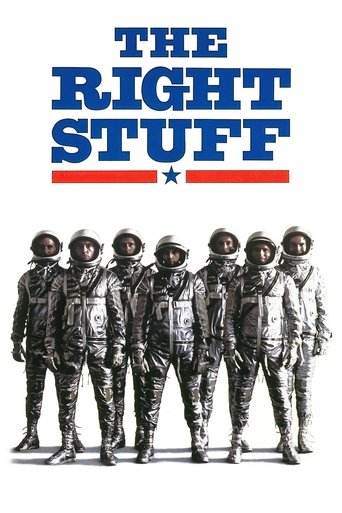
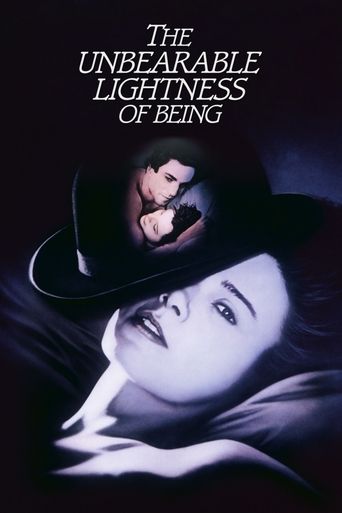
Philip Kaufman (born October 23, 1936) is an American filmmaker. Although not noted for directing a large number of films, the films he has worked on have been recognized for their intelligence and independence. He is noted for directing films of eclectic subjects, ranging from realism to fantasy, and often incorporating satire or subtle humor as part of his “artistic signature.” He was born in Chicago, Illinois. Kaufman has been considered a “risk taker.” He has successfully adapted novels of widely different types – from Milan Kundera’s The Unbearable Lightness of Being to Michael Crichton’s Rising Sun; from Tom Wolfe’s heroic epic The Right Stuff to the erotic writings of Anais Nin’s Henry & June. According to film historian James Welsh, his candid treatment of adult relationships in Henry & June was considered an “artistic breakthrough by an unconventional filmmaker who was willing to take a chance and put his career on the line.” His greatest success was the blockbuster film The Right Stuff, where he directed and wrote the screenplay. It earned eight Academy Award nominations, including Best Picture. And his best films have always had his personal imprint, “stressing values of individualism and integrity,” and always being "clearly American."
Directed 14
2010s
- 2012

2000s
- 2004
- 2003
Realizing The Right Stuff
Director
- 2000

1990s
- 1993
- 1990


1980s
- 1988
- 1983


1970s
- 1979
- 1978
- 1974
The White Dawn
Director
- 1972


1960s
- 1969
Fearless Frank
Director
- 1965
Goldstein
Director
Wrote 16



1990s
- 1994
- 1993
- 1990

1980s
- 1989
- 1988
- 1984
- 1983
- 1981
1970s
- 1979
- 1976
- 1972

1960s
- 1969
Fearless Frank
Writer
- 1965
Goldstein
Writer
Acted in 2
Produced 2
1960s
- 1969
Fearless Frank
Producer
- 1965
Goldstein
Producer
Edited 1
1960s
- 1965
Goldstein
Editor
Appearances5
2020s
- 2021
Algren
Self
2010s
- 2018
- 2016
Re-Visitors from Outer Space, or How I Learned to Stop Worrying and Love the Pod
Self

2000s
- 2007
Fog City Mavericks
Self
- 2006
Emotional History: The Making of 'The Unbearable Lightness of Being'
Self