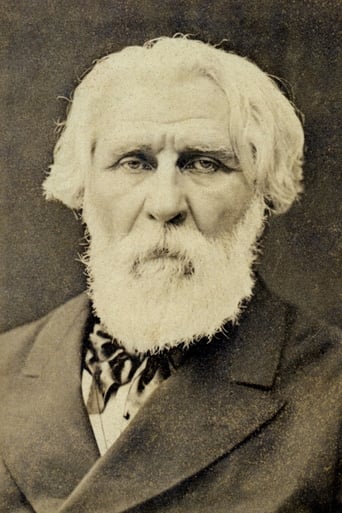
Ivan Turgenev
Writing · 1818–1883 · Oryol, Oryol Governorate, Russian Empire [now Oryol Oblast, Russia]
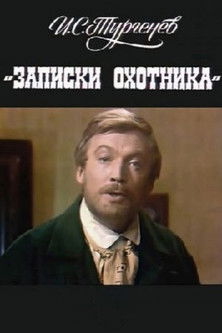
IMDbIvan Sergeyevich Turgenev (1818-1883) was a Russian novelist, short story writer, poet, playwright, translator and popularizer of Russian literature in the West. Turgenev made his name with 'A Sportsman's Sketches', also known as 'Sketches from a Hunter's Album' or 'Notes of a Hunter', a collection of short stories, based on his observations of peasant life and nature, while hunting in the forests around his mother's estate of Spasskoye. The book is credited with having influenced public opinion in favour of the abolition of serfdom in 1861. Turgenev himself considered the book to be his most important contribution to Russian literature. One of the stories, 'Bezhin Lea' or 'Byezhin Prairie', was to become the basis for Sergei Eisenstein's controversial film Bezhin Meadow (1937). In the early 1850s, Turgenev wrote several novellas ('The Diary of a Superfluous Man', 'Faust', 'The Lull') expressing the anxieties and hopes of Russians of his generation. During the period of 1853–62 Turgenev wrote some of his finest stories as well as the first four of his novels: 'Rudin' (1856), 'A Nest of the Gentry' (1859), 'On the Eve' (1860) and 'Fathers and Sons' (1862). Fathers and Sons remains Turgenev's most famous novel. The novel examined the conflict between the older generation, reluctant to accept reforms, and the nihilistic youth.
The Singers
2026

Väter und Söhne
2016
Two Women
2014
My First Love
2013

Fathers and Sons
2008


All Forgotten
2001
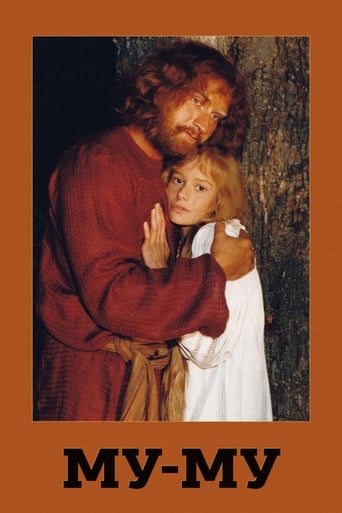
Mu-Mu
1998
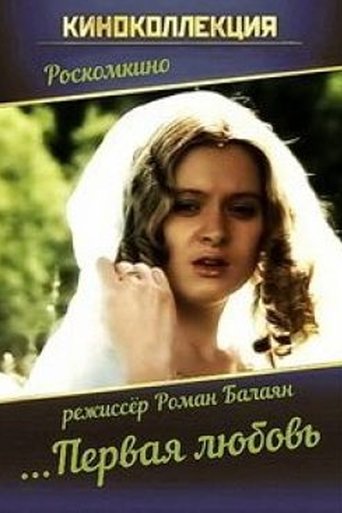
The First Love
1995
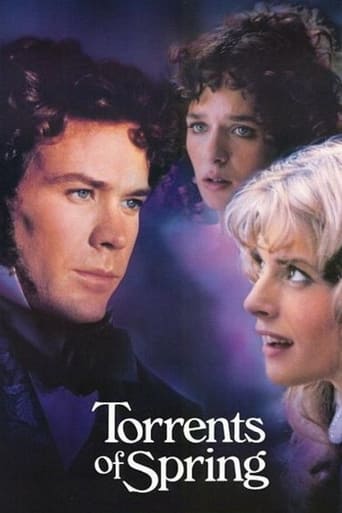
Dream
1988
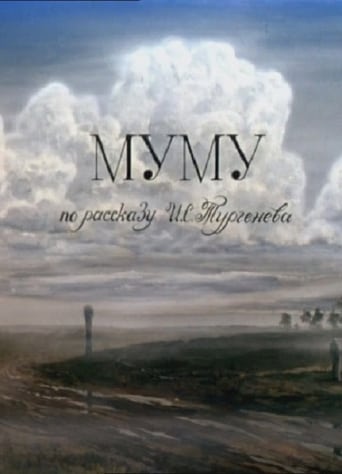
Mu-mu
1987
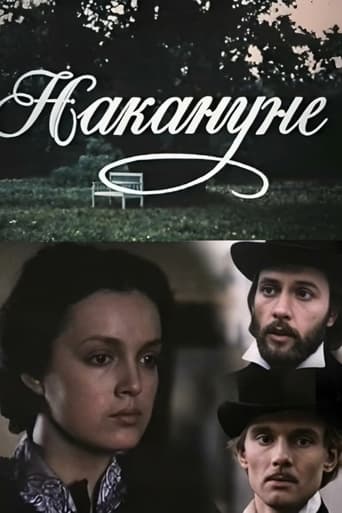
On the Eve
1985
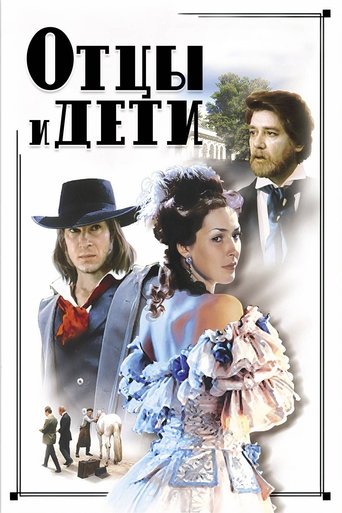
Fathers and Sons
1984

Nadja Yet
1983
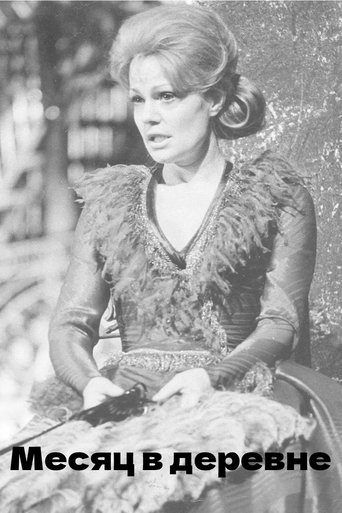
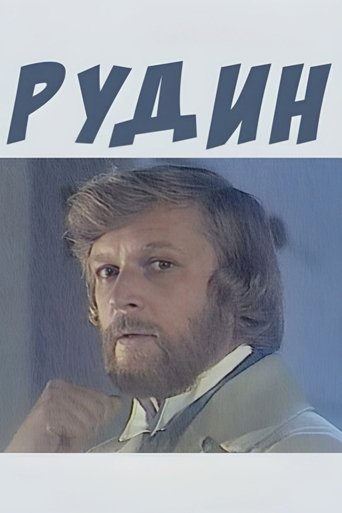
Rudin
1982
Liza
1978
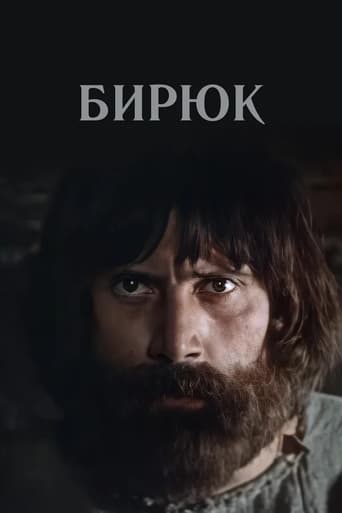
Lone Wolf
1977
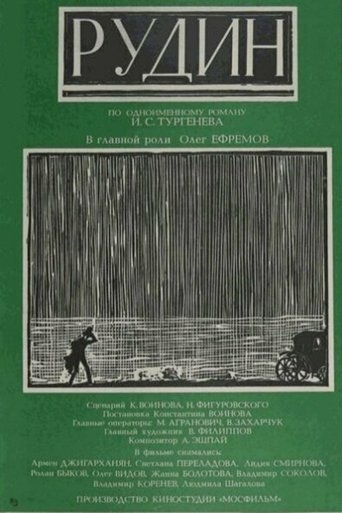
Rudin
1977

Asya
1977

Fantasia
1976
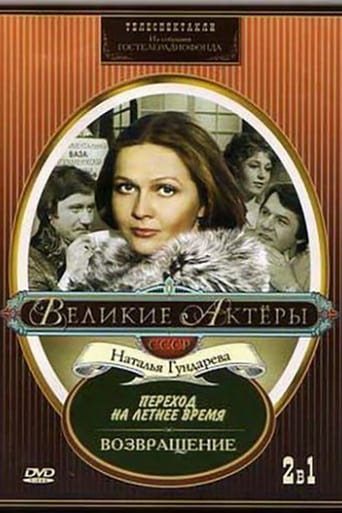
Return
1975
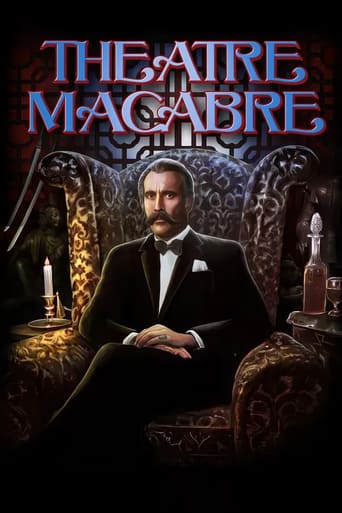
Theatre Macabre
1971

First Love
1970
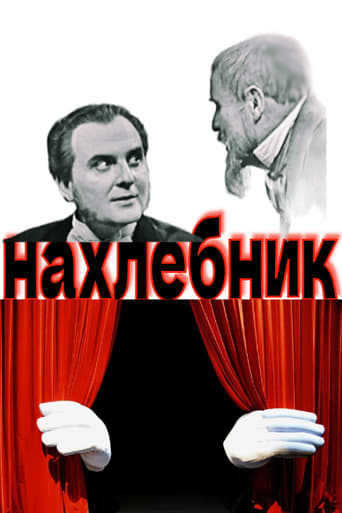
Fortune's Fool
1970
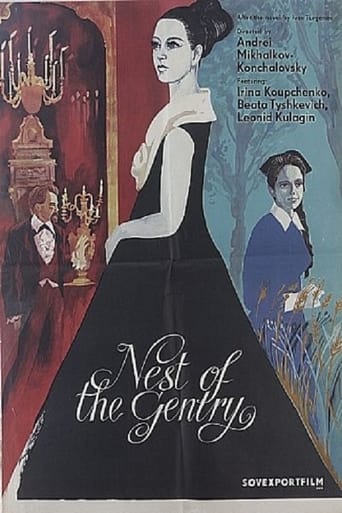
A Nest of Gentry
1969
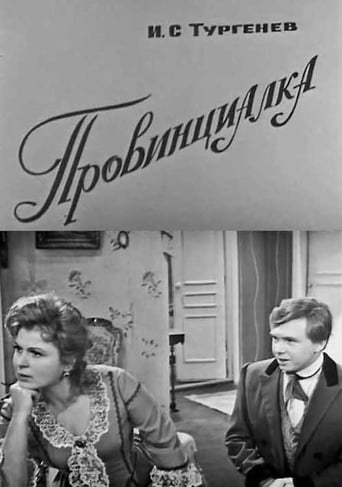
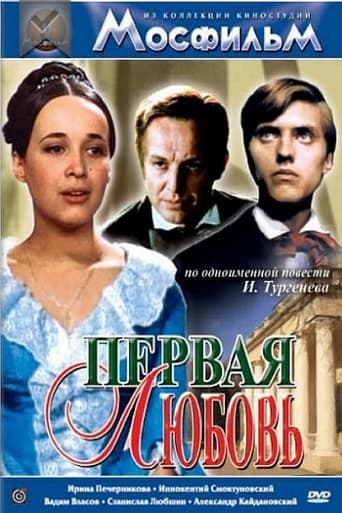
First Love
1969
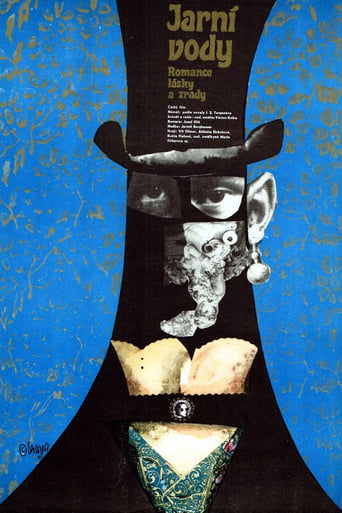
Jarní vody
1968
Theatre 625
1964
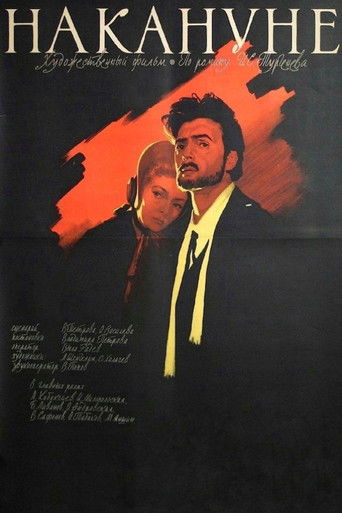
On the Eve
1959
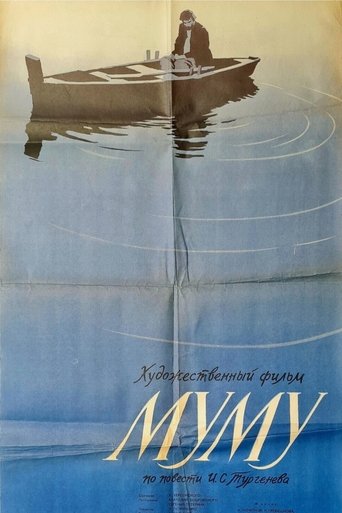
Mumu
1959
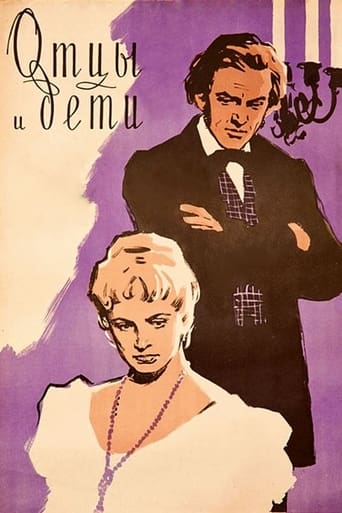
Fathers and Sons
1959
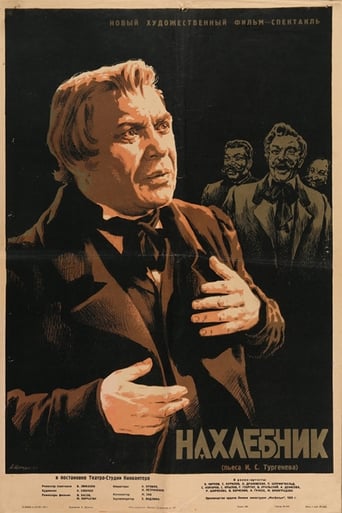
The Parasite
1953
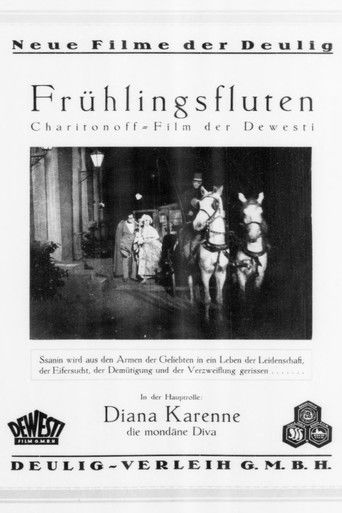
Frühlingsfluten
1924
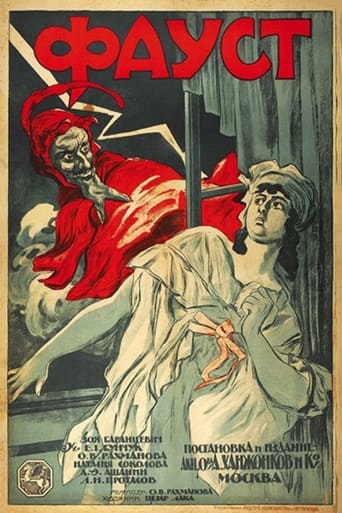
Faust
1919
The Inn
1918
After Death
1915
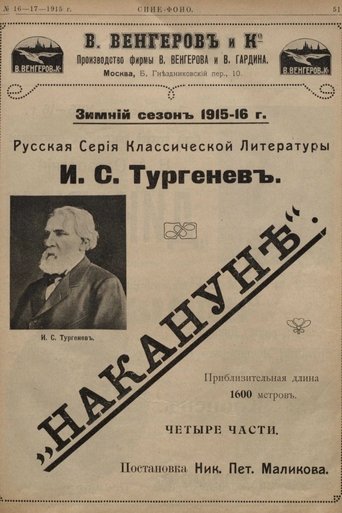
The Day Before
1915

Fathers and Sons
1915

