
Biography
Metin Erksan (1 January 1929 – 4 August 2012), born İsmail Metin Karamanbey, was a Turkish film director and art historian. Metin Erksan gained success with films depicting the problems of people from the countryside he adopted from the literature. Susuz Yaz won the Golden Bear Award in Berlin, Germany. Yılanların Öcü (1962) was awarded in 1966 at the Carthage Film Festival in Tunisia. He was named "Best Director" with his film Kuyu (1968) at the first edition of International Adana Golden Boll Film Festival. Along with renowned film director Halit Refiğ, he was credited as the representative of the national cinema in Turkey. From 1970 on, he directed films aimed for commercial success. In 1974-1975, he filmed five Turkish stories (Hanende Melek by Sabahattin Ali, Geçmiş Zaman Elbiseleri by Ahmet Hamdi Tanpınar, Bir İntihar by Samet Ağaoğlu, Müthiş Bir Tren by Sait Faik Abasıyanık and Sazlık by Hulusi Koray) as short films for television. His 1977 film The Angel of Vengeance – The Female Hamlet was entered into the 10th Moscow International Film Festival. His 1974 horror movie Şeytan is known as the "Turkish Exorcist" due to the movies' similar plots. He directed 42 films, 2 of which he produced himself; and he wrote the scripts of 29 films. He also starred in the 1998 film Alim Hoca as the title character.
Acting 2

Directing 40

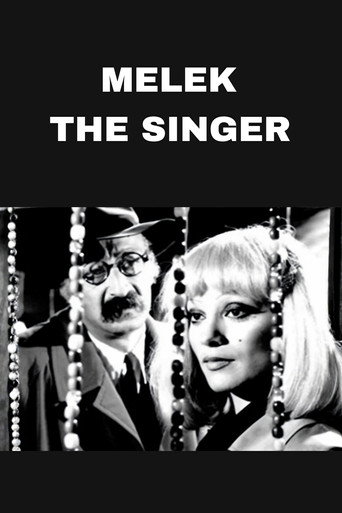
Melek The Singer
1975

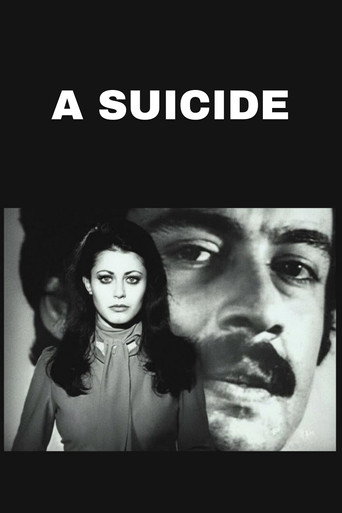
A Suicide
1975
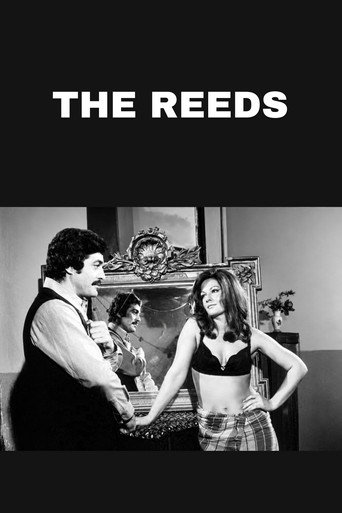
The Reeds
1975
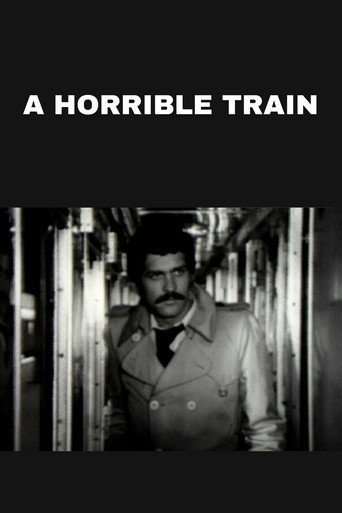
A Horrible Train
1975
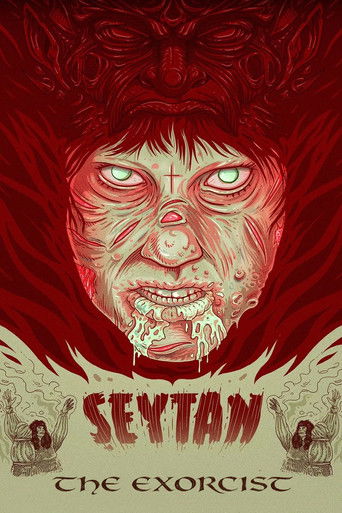
The Exorcist
1974
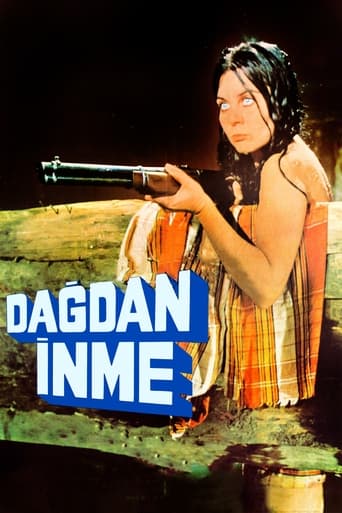
Dağdan İnme
1973

Süreyya
1972
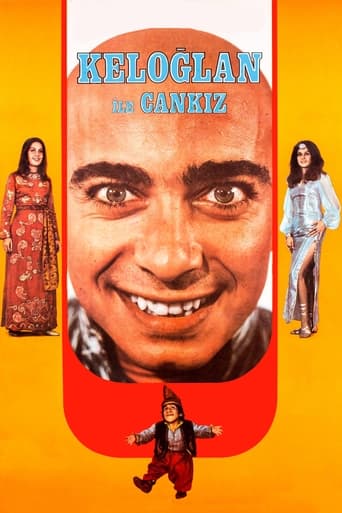
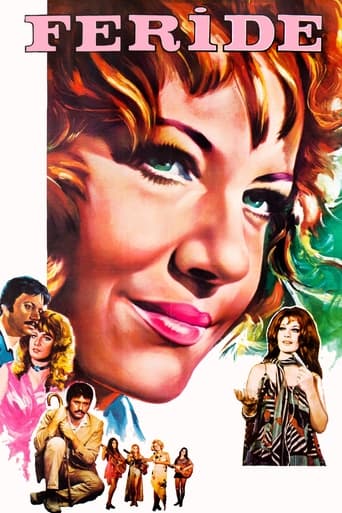
Feride
1971
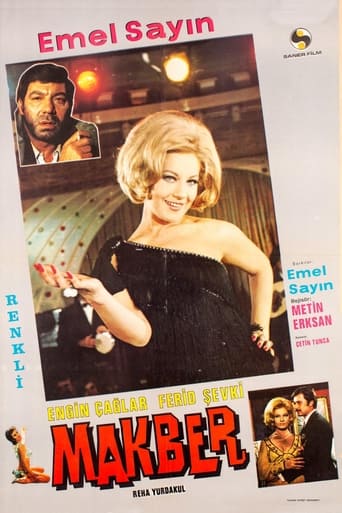
Makber
1971
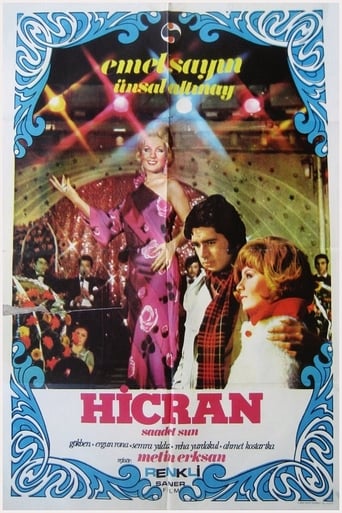
Hicran
1971
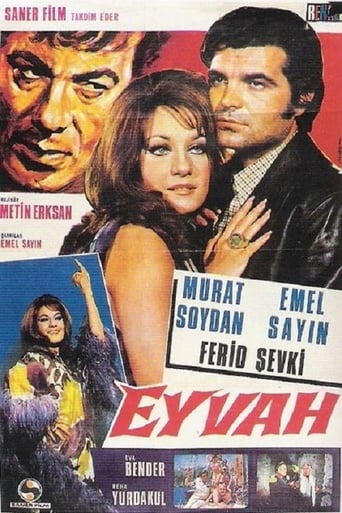
Eyvah
1970
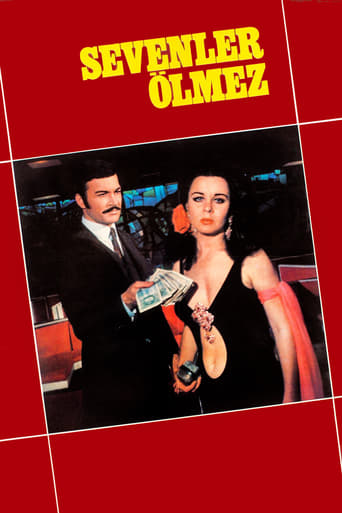
Sevenler Ölmez
1970
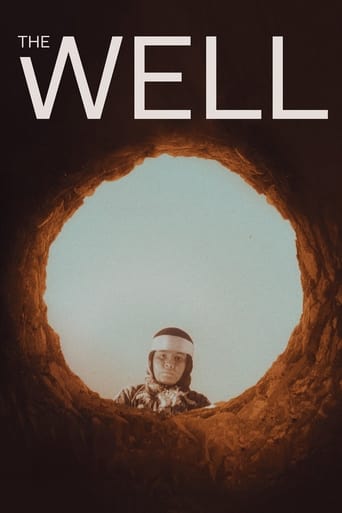
The Well
1969
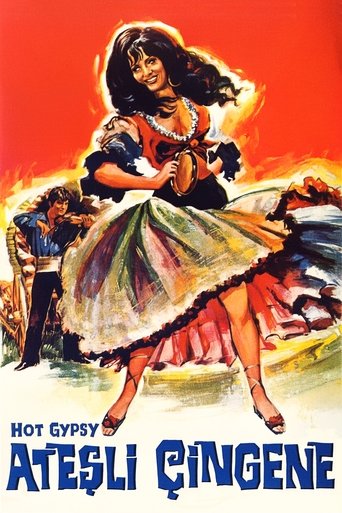
Hot Gypsy
1969

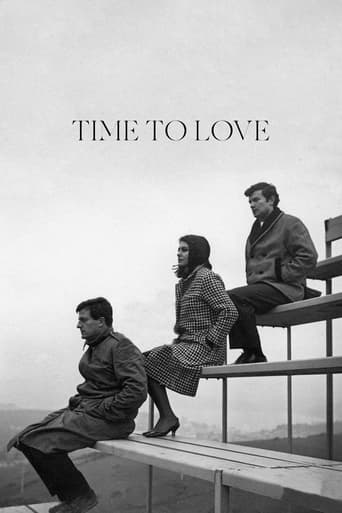
Time to Love
1965

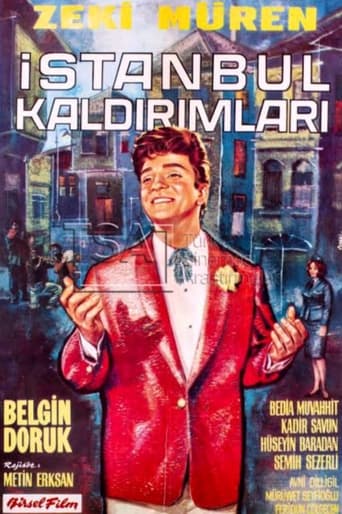
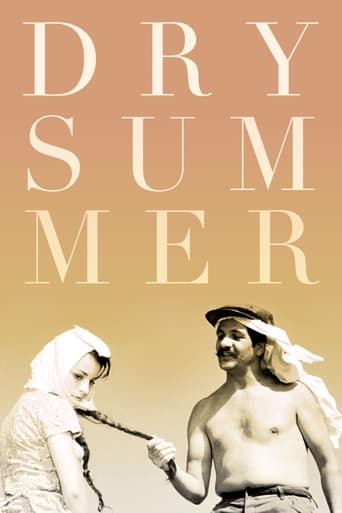
Dry Summer
1963
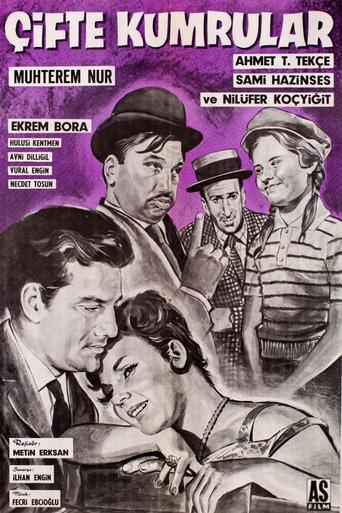
Çifte Kumrular
1962
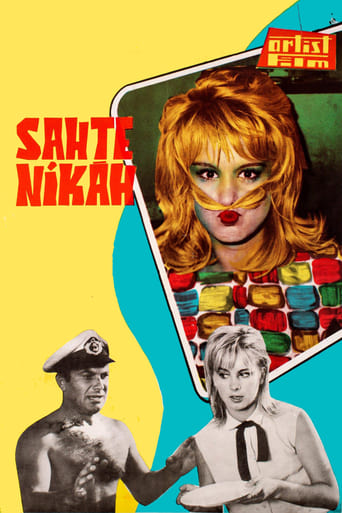
Sahte Nikah
1962
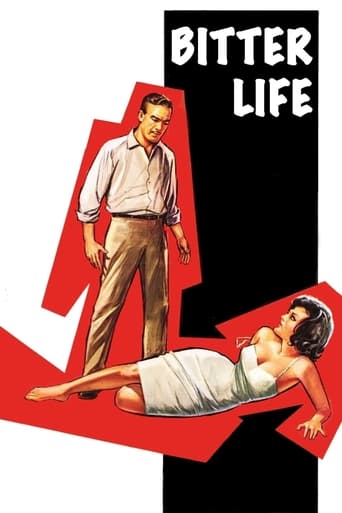
Acı Hayat
1962
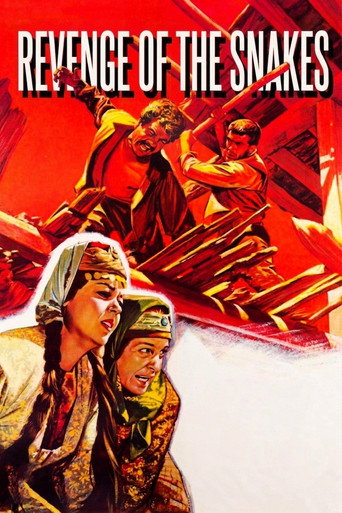
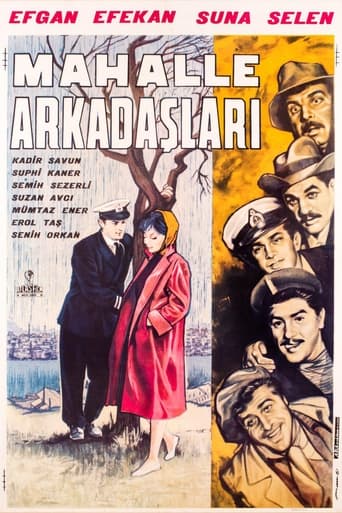

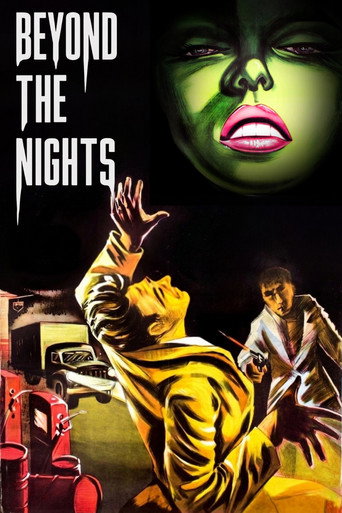
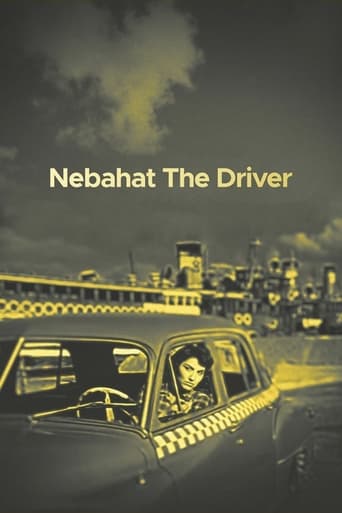
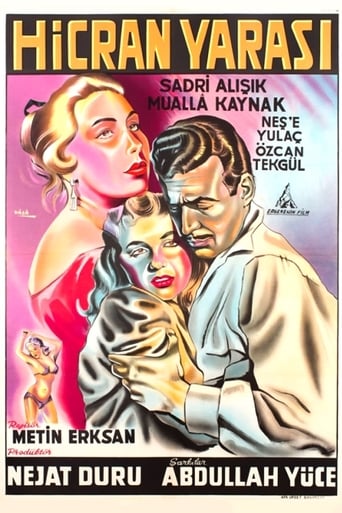
Hicran Yarası
1959
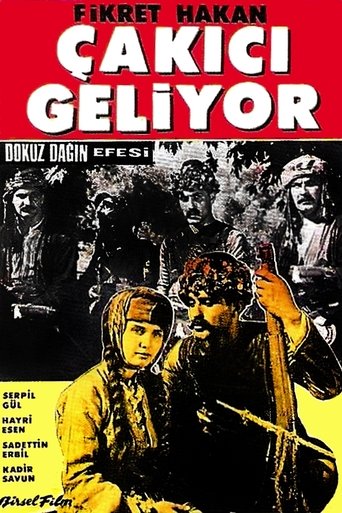
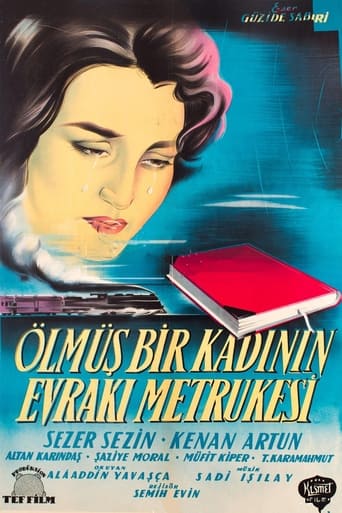
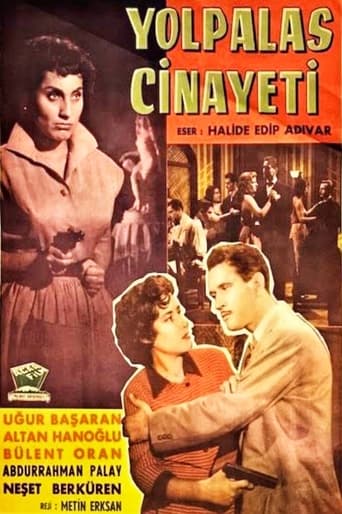
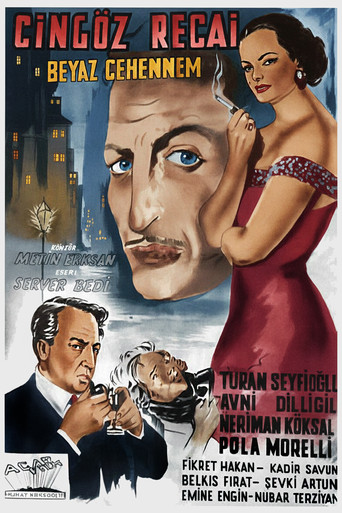
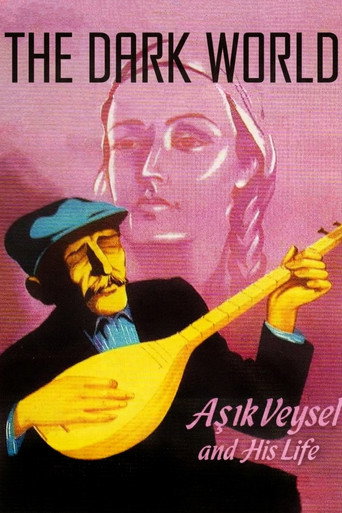
The Dark World
1953
Writing 30
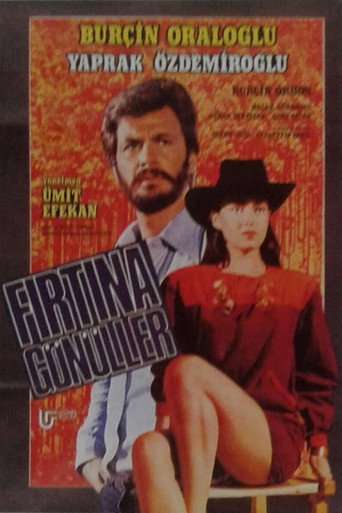
Fırtına Gönüller
1984
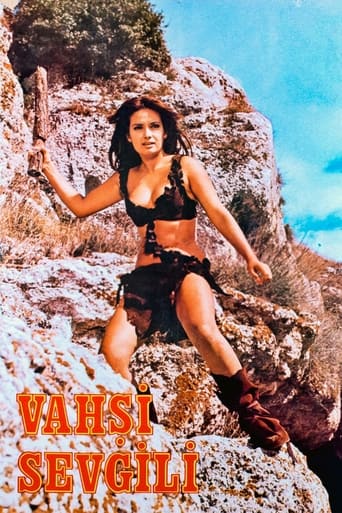
Wild Lover
1977
Melek The Singer
1975
The Reeds
1975
A Horrible Train
1975
Dağdan İnme
1973
Süreyya
1972
Feride
1971
Hicran
1971
The Well
1969
Time to Love
1965
Dry Summer
1963
Acı Hayat
1962
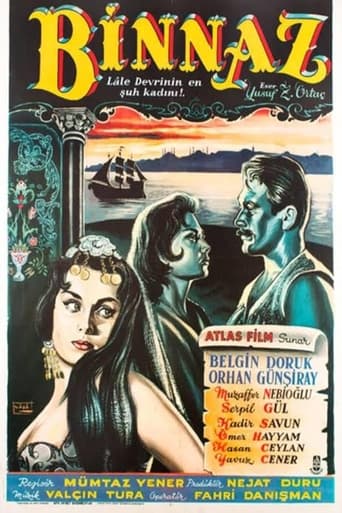
Binnaz
1959
Hicran Yarası
1959
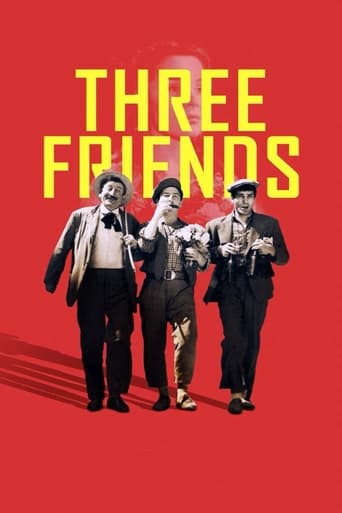
Three Friends
1958