Biography
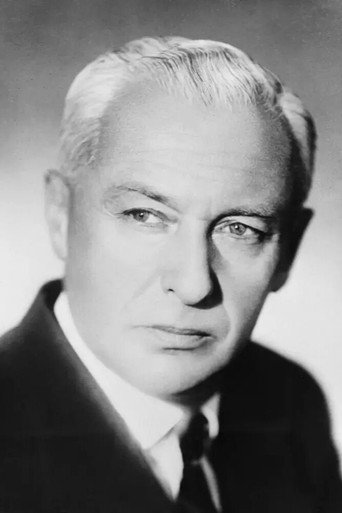
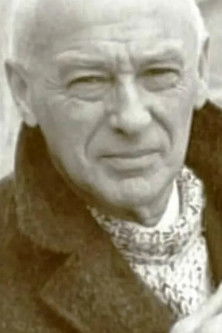
Roman Karmen (1906–1978) was a pioneering Soviet film director, war cinematographer, documentary filmmaker, journalist, screenwriter, pedagogue, and publicist. Born Efraim Leyzorovich Korenman, Karmen became one of the most prominent figures in Soviet cinema, known for his exceptional contributions to war documentation and his ability to capture history in the making. He began his career as a journalist before transitioning to filmmaking, where his early work focused on documenting revolutionary events and political developments. Karmen's most notable contributions were as a war cinematographer during the Spanish Civil War and World War II, where he filmed key moments from the frontlines, including the Soviet Union’s involvement in the Spanish war and the Nazi invasions. He was a close collaborator with Soviet authorities and a key figure in Soviet newsreels, documenting not only the war but also the victories and cultural milestones of the USSR. Karmen’s work was instrumental in shaping Soviet film as a tool for propaganda and national identity, using his camera to amplify the Soviet narrative of heroism, triumph, and unity. He was also involved in film education, teaching at VGIK (All-Russian State Institute of Cinematography) and inspiring future generations of filmmakers. Karmen's legacy as a documentarian is cemented in his works, which captured pivotal moments in Soviet history and continue to serve as an important visual record of the 20th century.
Acting 6
Directing 17
The Unknown War
1978
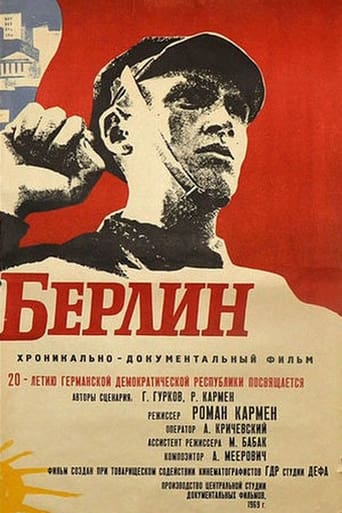
Comrade Berlin
1969

The Magic Beam
1963
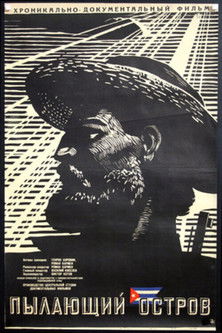
Island Ablazed
1961
Sea Conquerors
1959
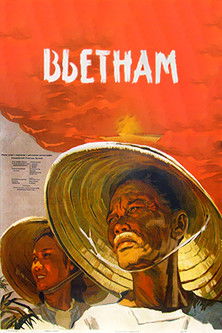
Vietnam
1955
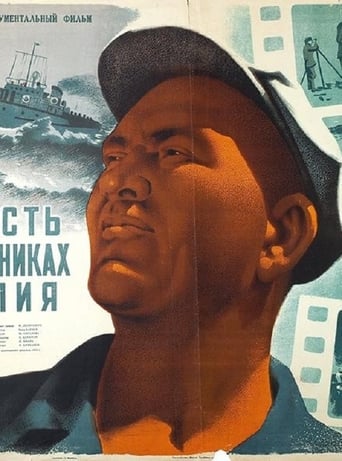
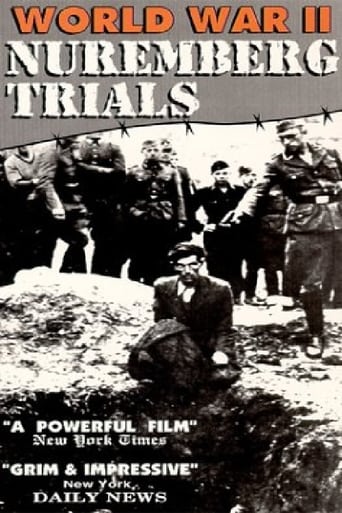
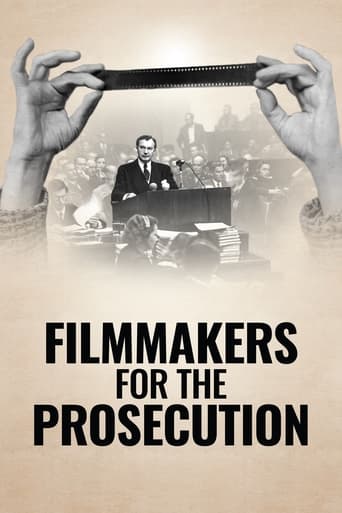
Nuremberg Trials
1946

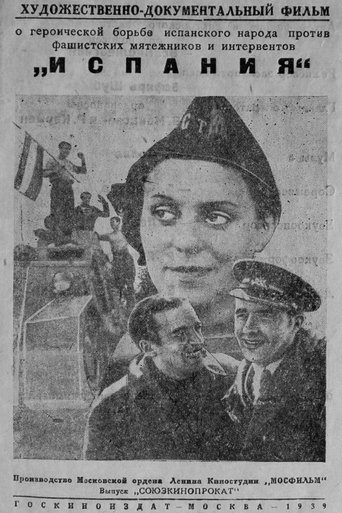
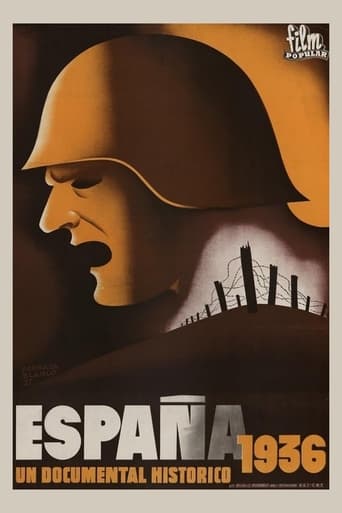
Spain
1939