Biography
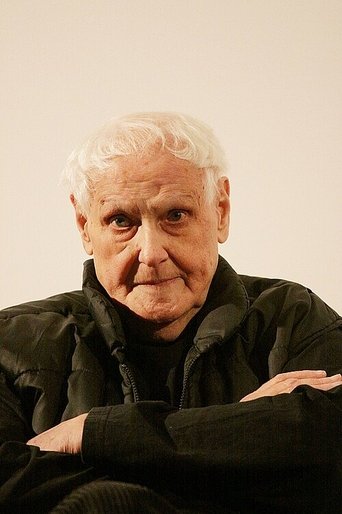
Miklós Jancsó (27 September 1921 – 31 January 2014) was a Hungarian film director and screenwriter. Jancsó achieved international prominence from the mid-1960s onwards, with works including The Round Up (Szegénylegények, 1965), The Red and the White (Csillagosok, katonák, 1967) and Red Psalm (Még kér a nép, 1971). Jancsó's films are characterized by visual stylization, elegantly choreographed shots, long takes, historical periods, rural settings, and a lack of psychoanalyzing. A frequent theme of his films is the abuse of power. His works are often allegorical commentaries on Hungary under Communism and the Soviet occupation, although some critics prefer to stress the universal dimensions of Jancsó's explorations. Towards the end of the 1960s and especially into the 1970s, Jancsó's work became increasingly stylized and overtly symbolic. He received five nominations for the Best Director Award at the Cannes Film Festival. winning for Red Psalm in 1972. In 1973 he was awarded the prestigious Kossuth Prize in Hungary. He received awards for his life work in 1979 and 1990, at Cannes and Venice respectively. Description above from the Wikipedia article Miklós Jancsó, licensed under CC-BY-SA, full list of contributors on Wikipedia.
Acting 10

Directing 50

Hungary 2011
2012
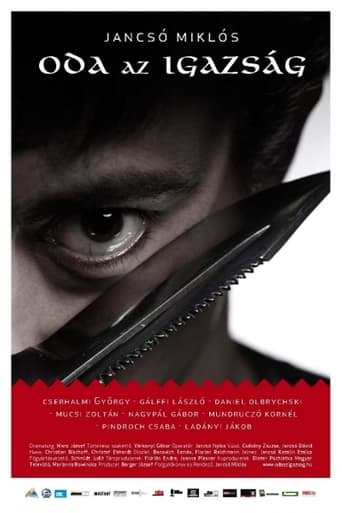
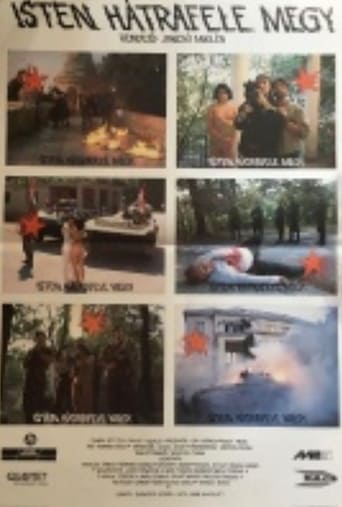
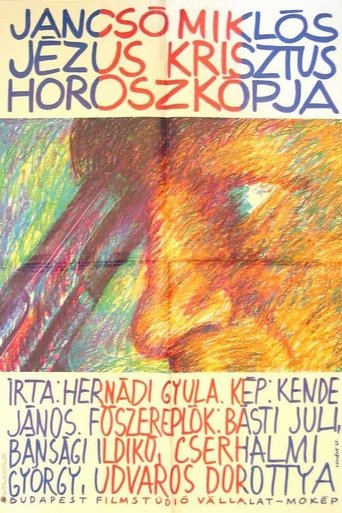
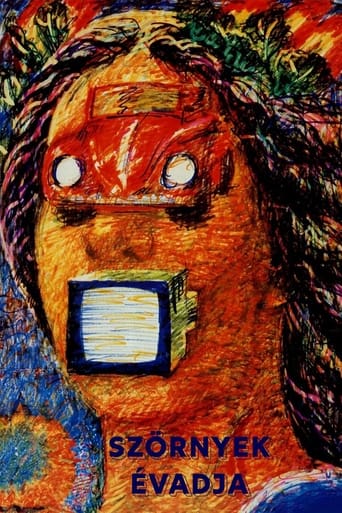

The Dawn
1986

The Presence III
1986
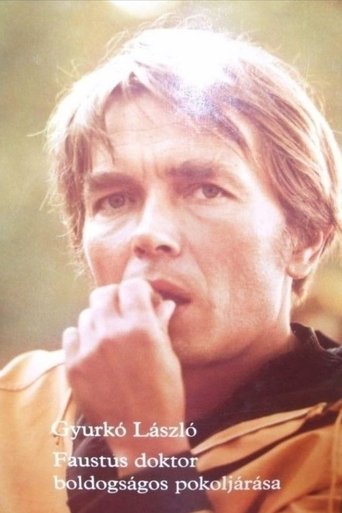
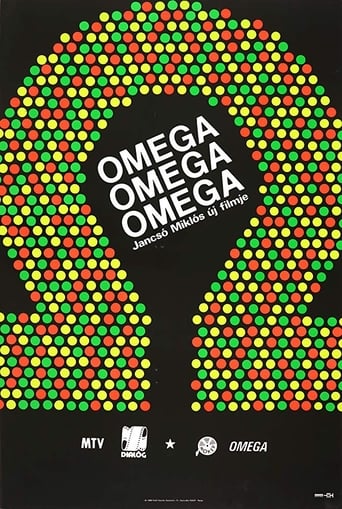
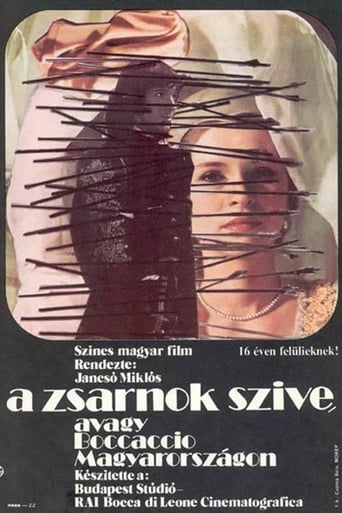
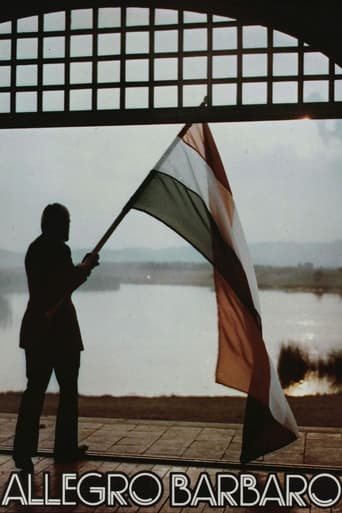
Allegro Barbaro
1979

The Presence II
1978

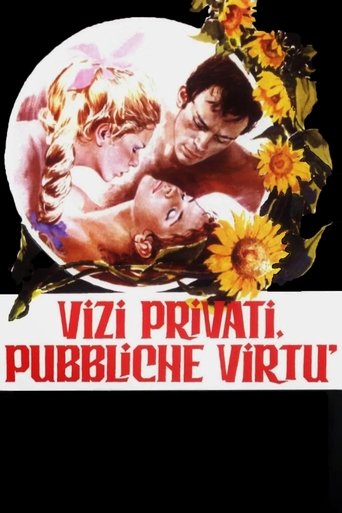
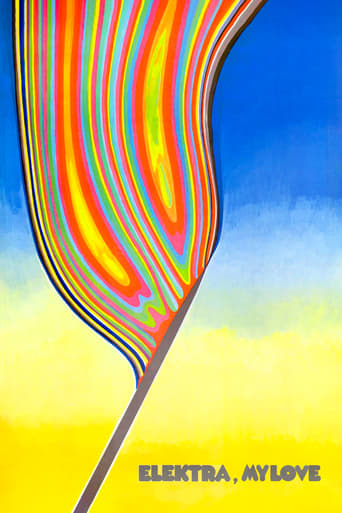
Electra, My Love
1974
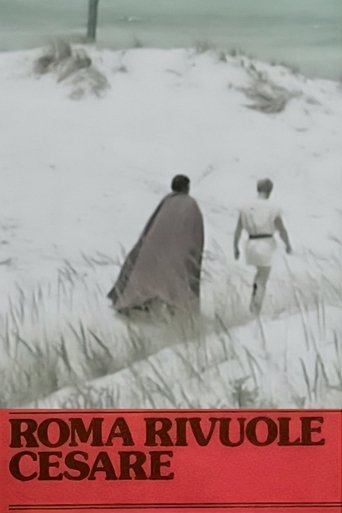
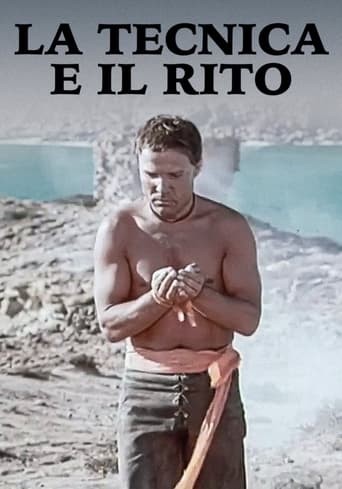
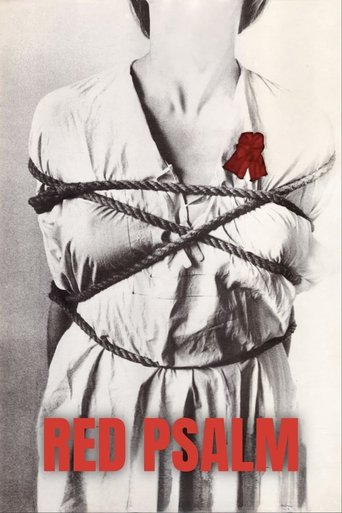
Red Psalm
1972

Agnus Dei
1971
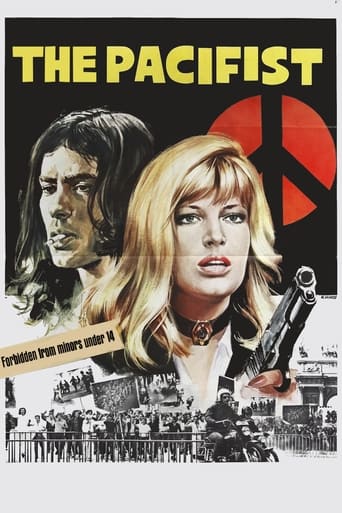
The Pacifist
1970
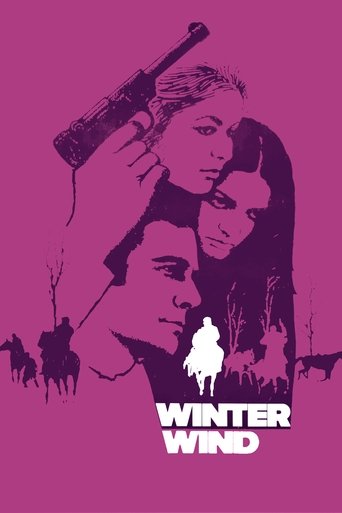
Winter Wind
1969
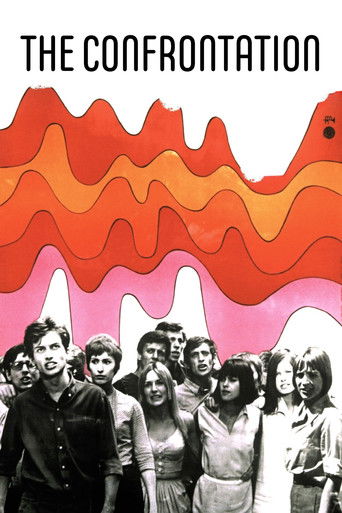
Decameron '69
1969
Silence and Cry
1968
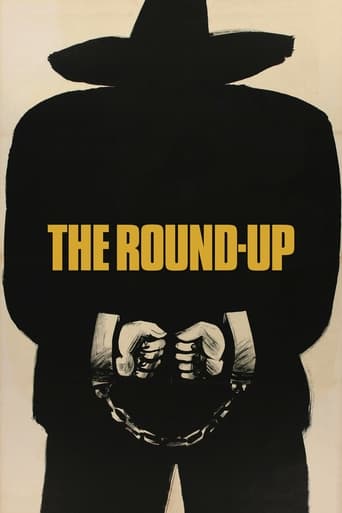
The Round-Up
1966
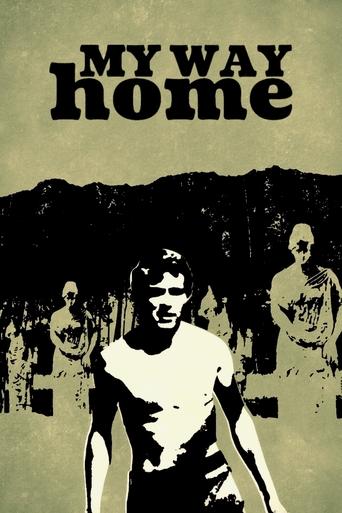
My Way Home
1965
The Presence
1965
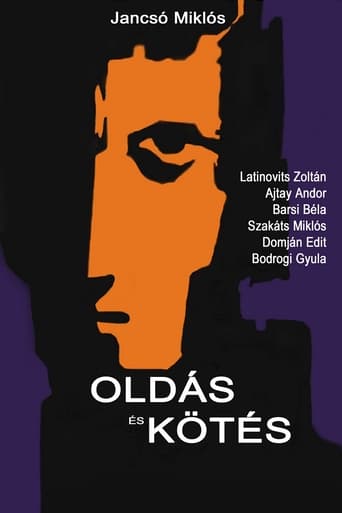
Cantata
1963
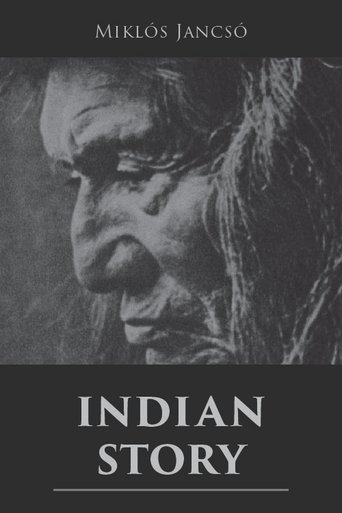
An Indian Story
1962
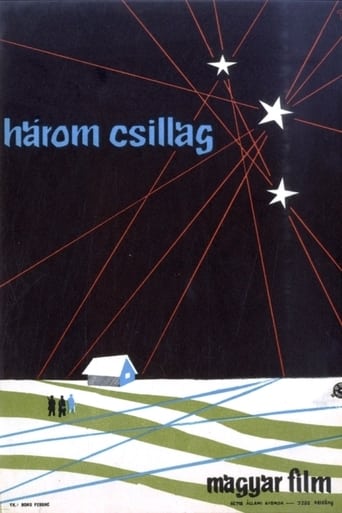
Három csillag
1960
Salesmanship
1960
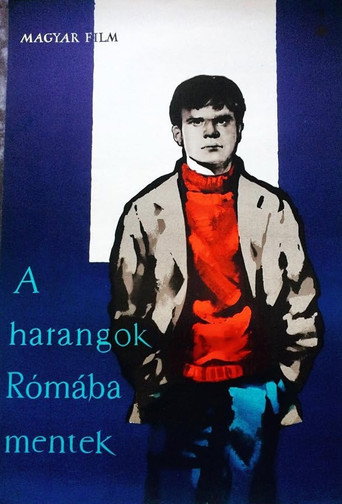
Writing 24
Hungary 2011
2012
The Dawn
1986
Allegro Barbaro
1979
Agnus Dei
1971
Winter Wind
1969
Silence and Cry
1968
Cantata
1963