Biography
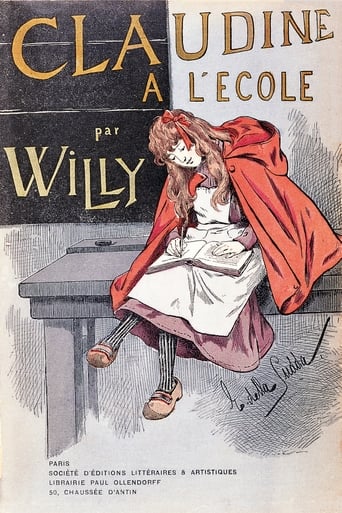
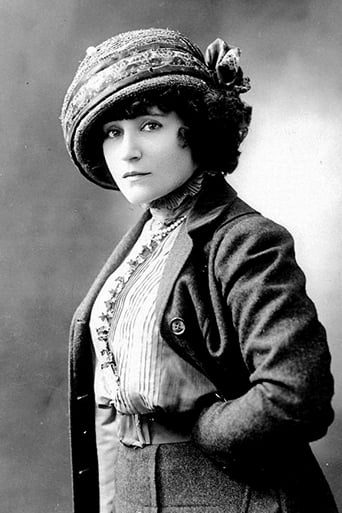
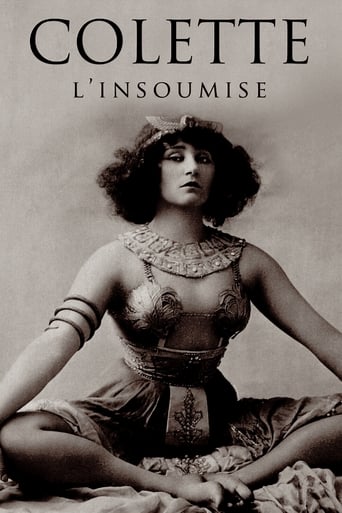
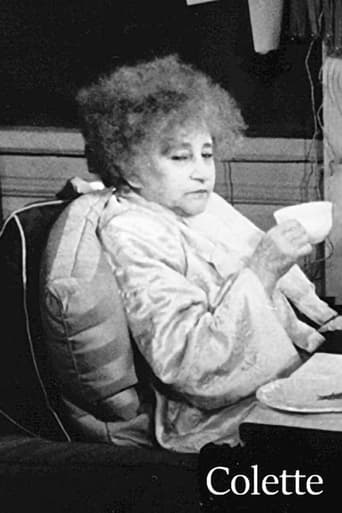
Colette's fame extends to being probably the only female writer known by her mononym—She is always and only Colette, though in fact this most feminine of names was her surname: She was born Sidonie-Gabrielle Colette on 28 January 1873 in the French village of Saint-Sauveur-en-Puisaye. Her work—mostly at novella length, short and sharp—survives because her chief subject is one that never goes out of fashion. "Love, the bread and butter of my pen," she wrote, though she put it more bluntly in her book The Pure and the Impure (1932): "The flesh, always the flesh, the mysteries and betrayals and frustrations and surprises of the flesh." The story of Colette and her work is one of the most astonishing in modern literature. She was a pioneer of the French school of autofiction (autobiographical fiction), writing about women's lives in ways that broke new ground. Her books were simultaneously popular and acclaimed—read by critics and the public alike—not to mention scandalous. And she made of her life a project just as fascinating and subversive as her books. Among Colette's best known works are the "Claudine" novels, "La naissance du jour," "Gigi," "Chéri," "The Tendrils of the Vine,"... She was also a mime, actress, journalist and a woman of letters. Colette was the first woman to be elected to the Académie Goncourt and the Belgian Royal Academy, both indicia of respect for her writing.
Acting 4
Writing 22

Chéri
2009
The Other Woman
1990

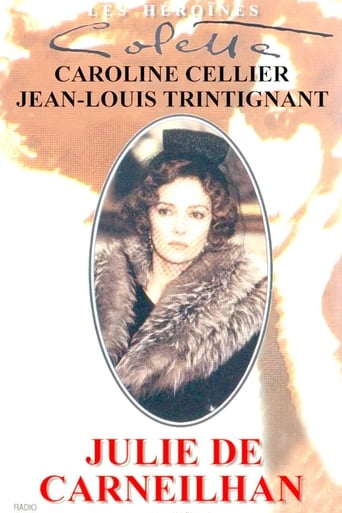
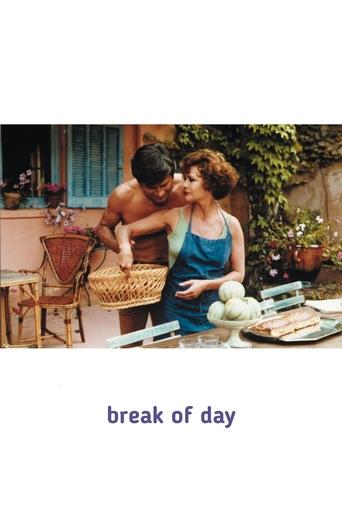
Break of Day
1980

Claudine
1978

Red Carnations
1962
Gigi
1958
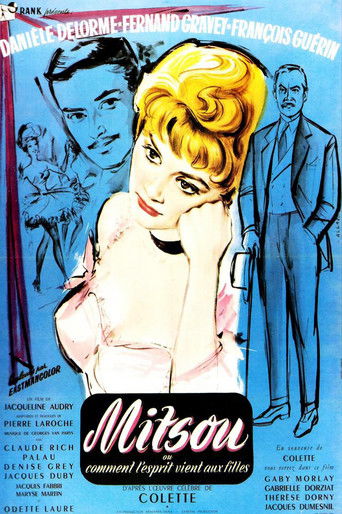
Mitsou
1956
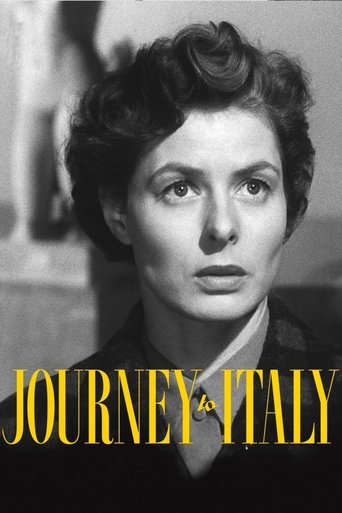
Journey to Italy
1954
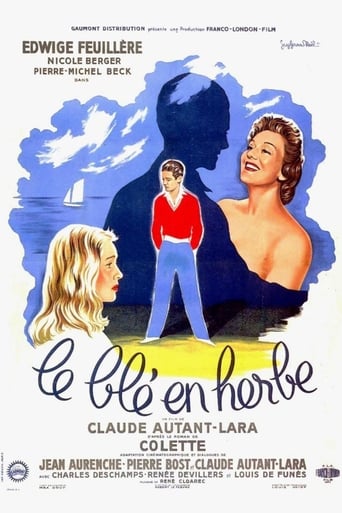
The Game of Love
1954

L'invidia
1952
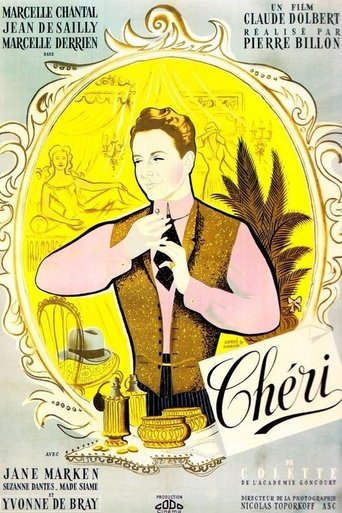
Chéri
1950
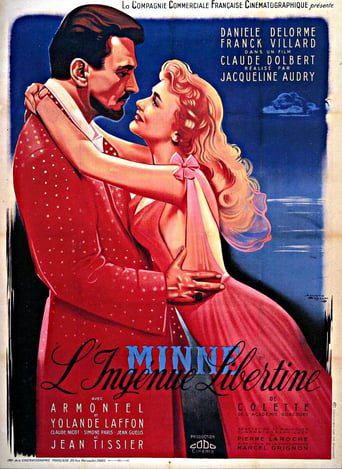
Minne
1950
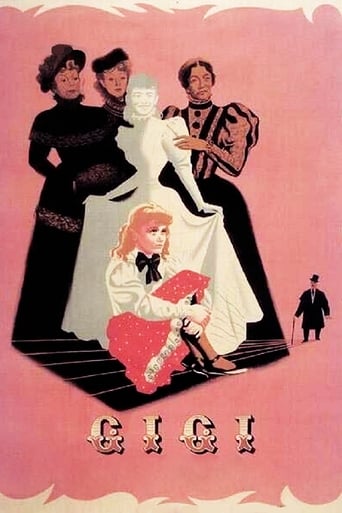
Gigi
1949
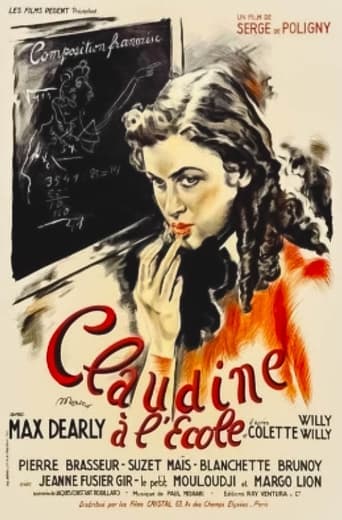
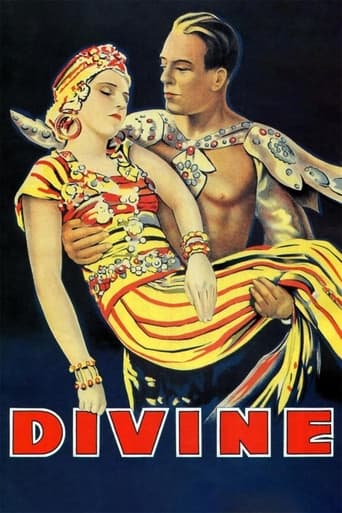
Divine
1935

Ladies Lake
1934