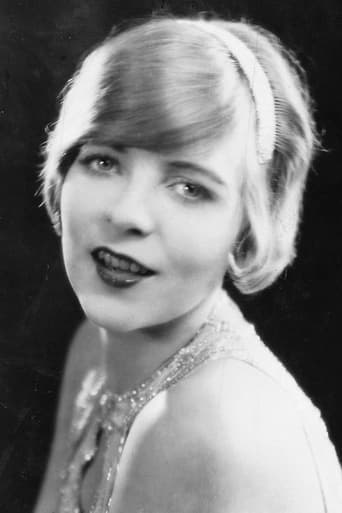
Biography
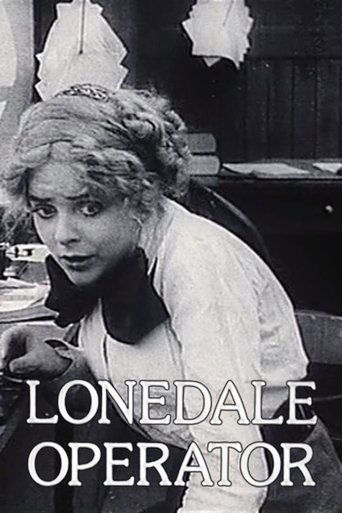
From Wikipedia Sarah Blanche Sweet (June 18, 1896 – September 6, 1986) was an American silent film actress who began her career in the earliest days of the Hollywood motion picture film industry. Sweet is renowned for her energetic, independent roles, at variance with the 'ideal' Griffith type of vulnerable, often fragile, femininity. After many starring roles, her first real landmark film was the 1911 Griffith thriller The Lonedale Operator. In 1913 she starred in Griffith's first feature-length movie, Judith of Bethulia. In 1914 Sweet was initially cast by Griffith in the part of Elsie Stoneman in his epic The Birth of a Nation but the role was eventually given to rival actress Lillian Gish, who was Sweet's senior by three years. That same year Sweet parted ways with Griffith and joined Paramount (then Famous Players-Lasky) for the much higher pay that studio was able to afford. Throughout the 1910s, Sweet continued her career appearing in a number of highly prominent roles in films and remained a publicly popular leading lady. She often starred in vehicles by Cecil B. DeMille and Marshall Neilan, and she was recognised by leading film critics of the time to be one of the foremost actresses of the entire silent era. It was during her time working with Neilan that the two began a publicized affair, which brought on his divorce from former actress Gertrude Bambrick. Sweet and Neilan married in 1922. The union ended in 1929 with Sweet charging that Neilan was a persistent adulterer. During the early 1920s Sweet's career continued to prosper, and she starred in the first film version of Anna Christie in 1923. The film is also notable as being the first Eugene O'Neill play to be made into a motion picture. In successive years, she starred in Tess of the D'Urbervilles and The Sporting Venus, both directed by Neilan. Sweet soon began a new career phase as one of the newly formed MGM studio's biggest stars. Sweet made just three talking pictures, including her critically lauded performance in 1930's Show Girl in Hollywood, before retiring from the screen that same year and marrying stage actor Raymond Hackett in 1935. The marriage lasted until Hackett's death in 1958. Sweet spent the remainder of her performing career in radio and in secondary Broadway stage roles. Eventually, her career in both of these fields petered out, and she began working in a Los Angeles department store. In the late 1960s, her acting legacy was resurrected when film scholars invited her to Europe to receive recognition for her work. On September 24, 1984, a tribute to Blanche Sweet was held at the Museum of Modern Art in New York City. Miss Sweet introduced her 1925 film, The Sporting Venus. Sweet died in New York City of a stroke, on September 6, 1986, just weeks after her 90th birthday.
Acting 98
Hollywood
1980
The Thin Man
1957
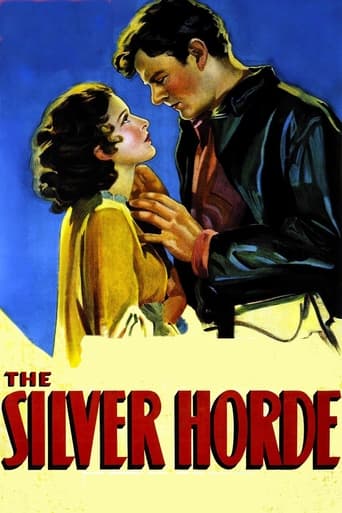
The Silver Horde
1930
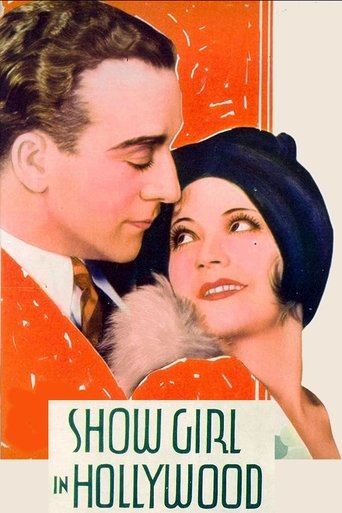
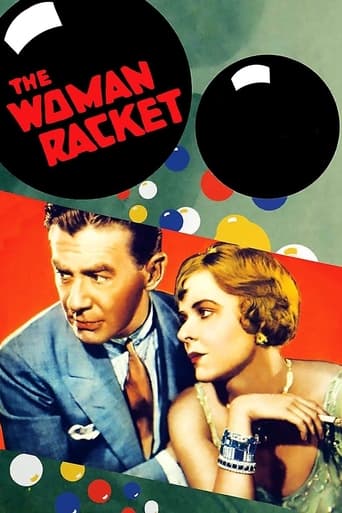
The Woman Racket
1930
Always Faithful
1929
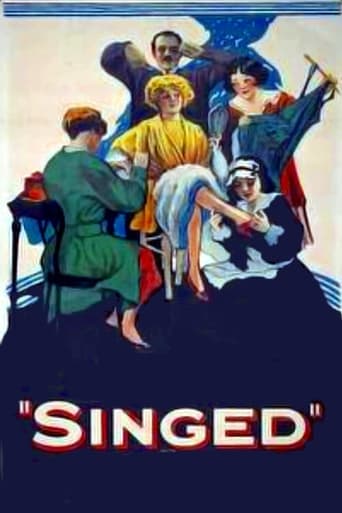
Singed
1927
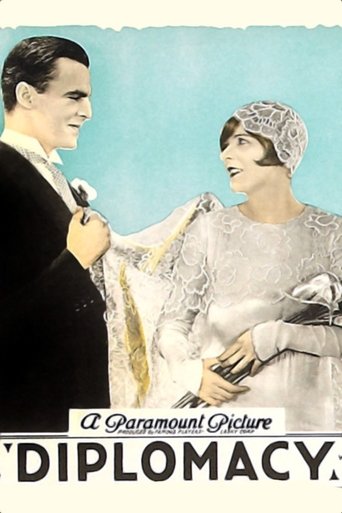
Diplomacy
1926
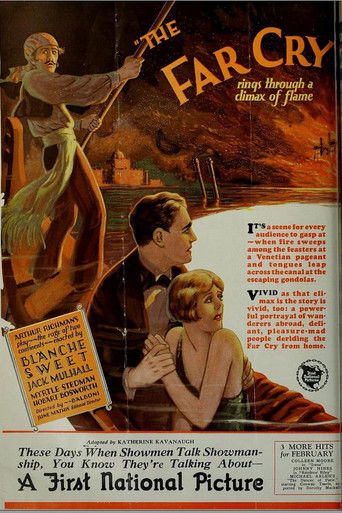
The Far Cry
1926
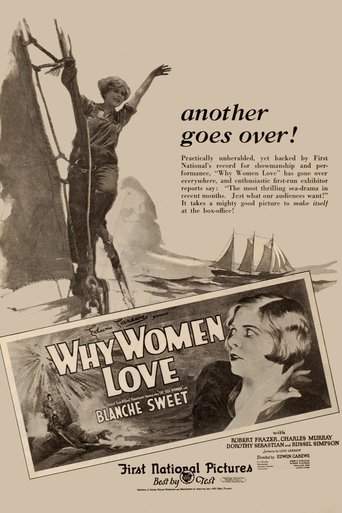
Why Women Love
1925
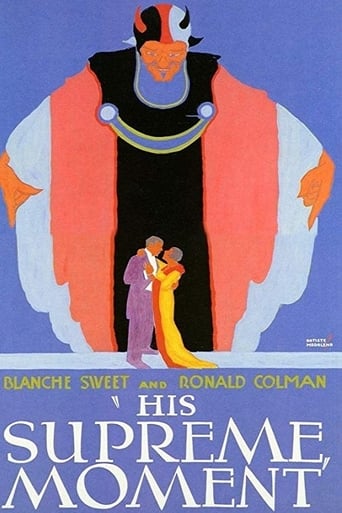
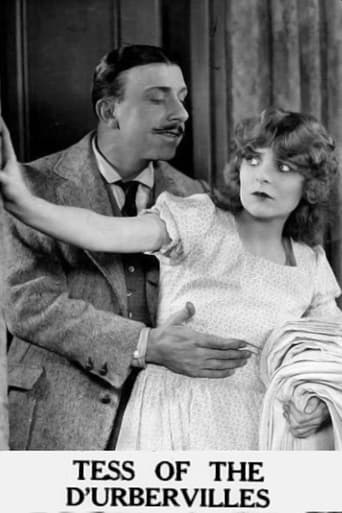
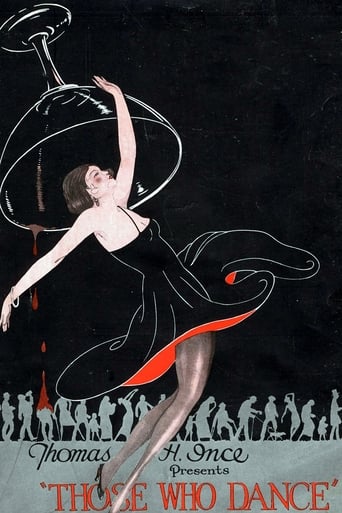
Those Who Dance
1924
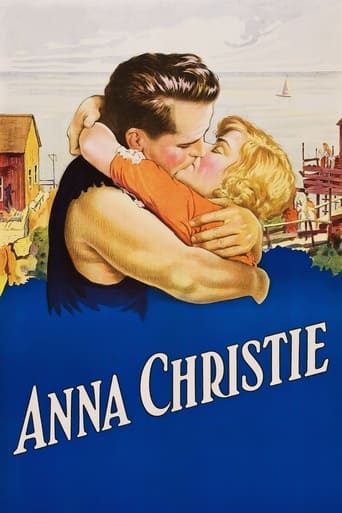
Anna Christie
1923
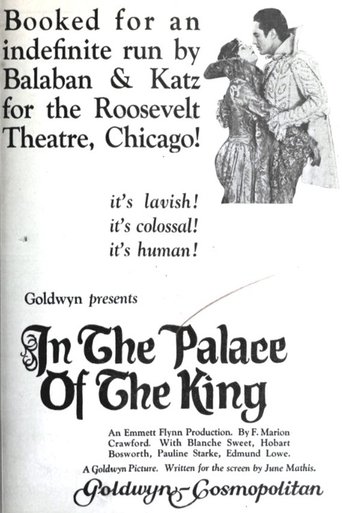
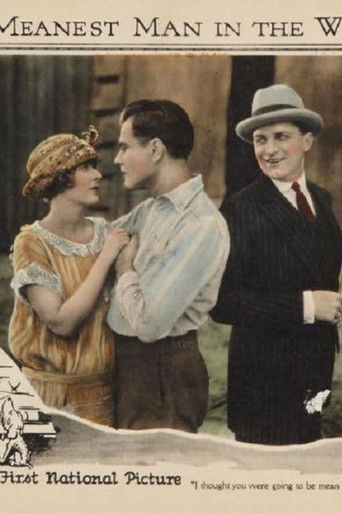
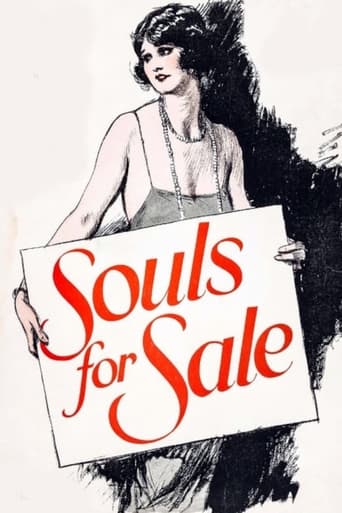
Souls for Sale
1923
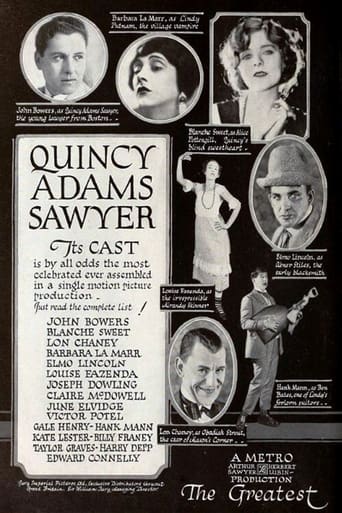
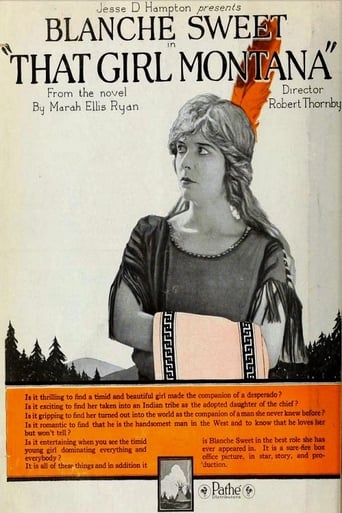
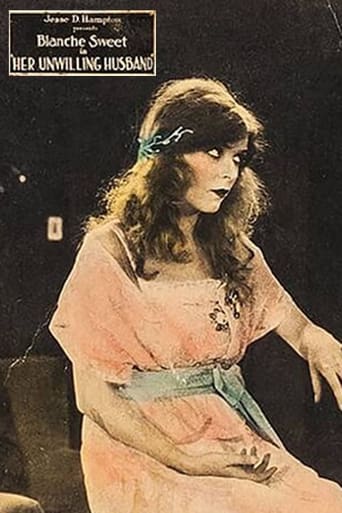
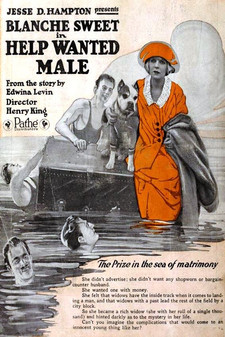
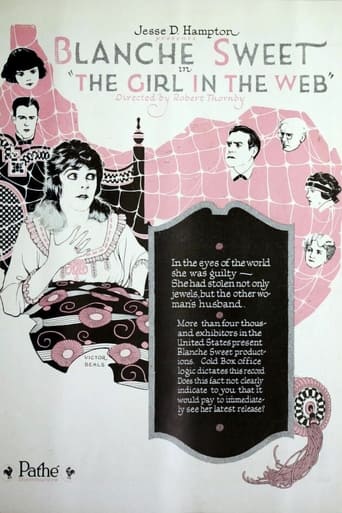
Girl in the Web
1920
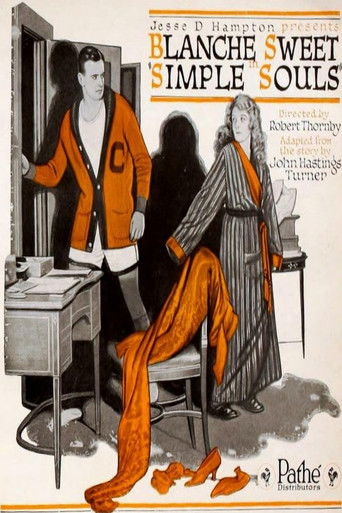
Simple Souls
1920
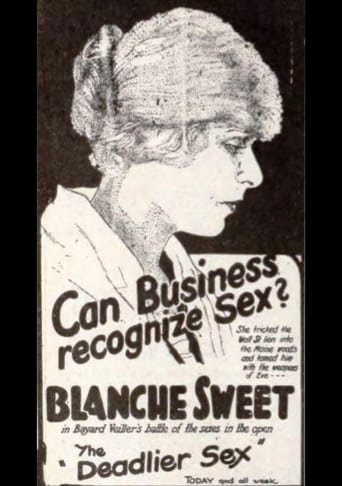
The Deadlier Sex
1920
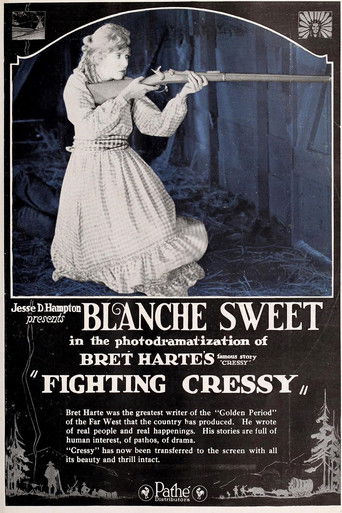
Fighting Cressy
1919
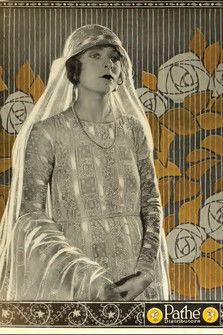
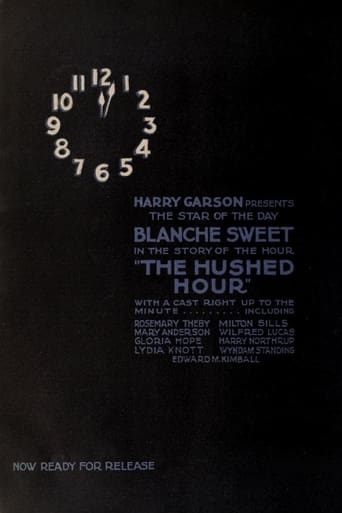
The Hushed Hour
1919
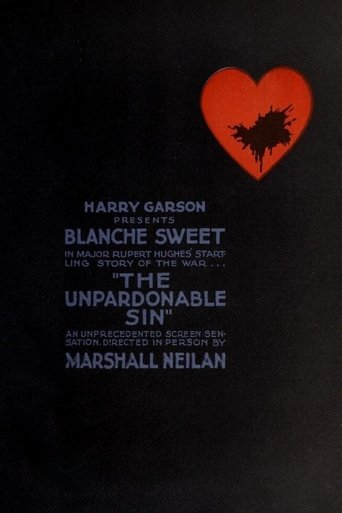
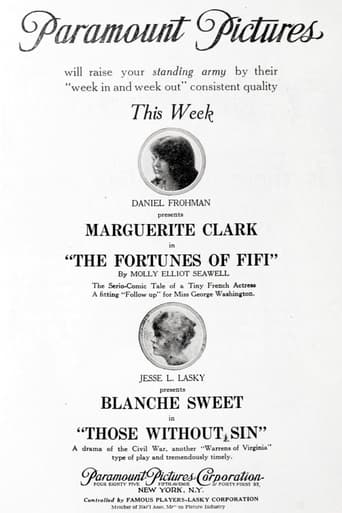
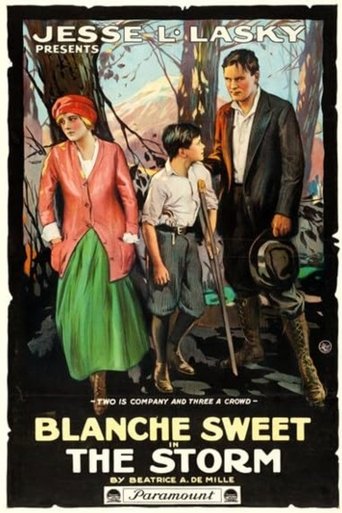
The Storm
1916
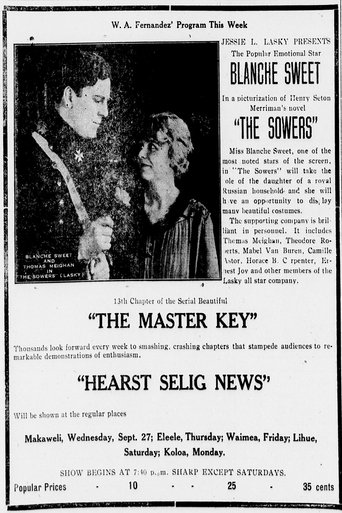
The Sowers
1916
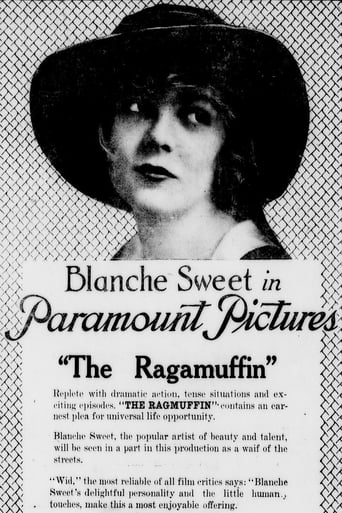
The Ragamuffin
1916
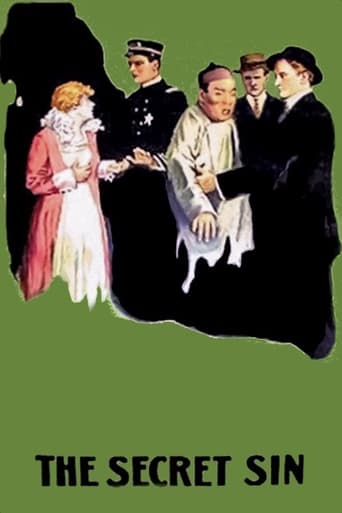
The Secret Sin
1915
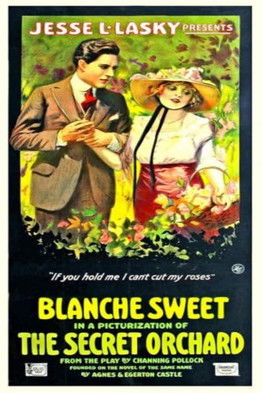
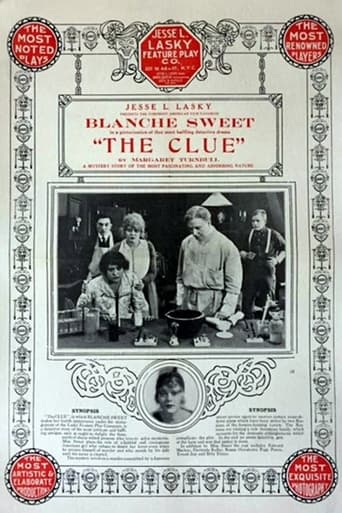
The Clue
1915
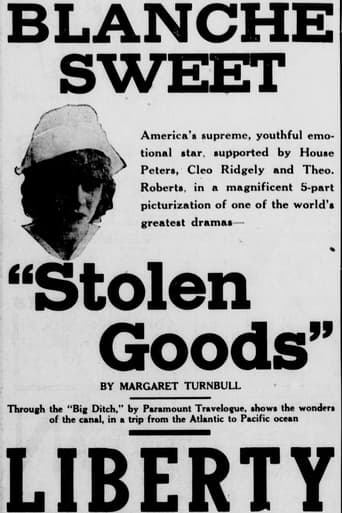
Stolen Goods
1915
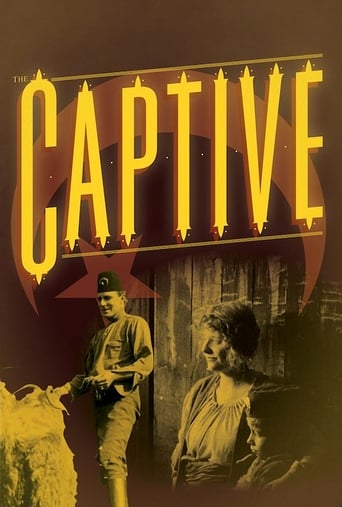
The Captive
1915
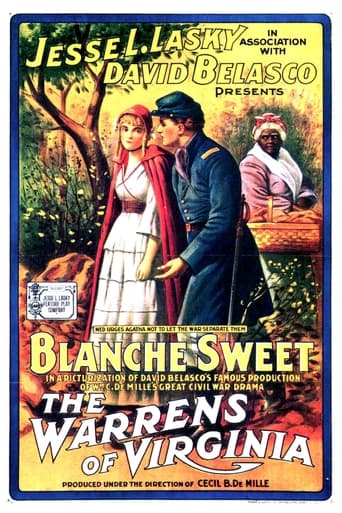
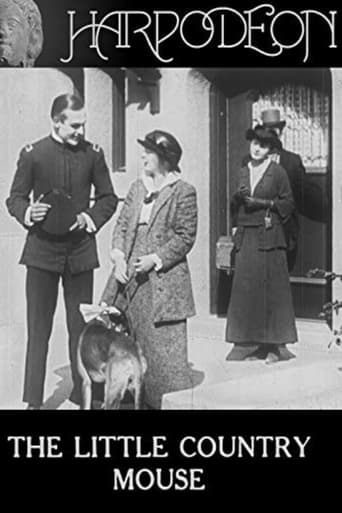
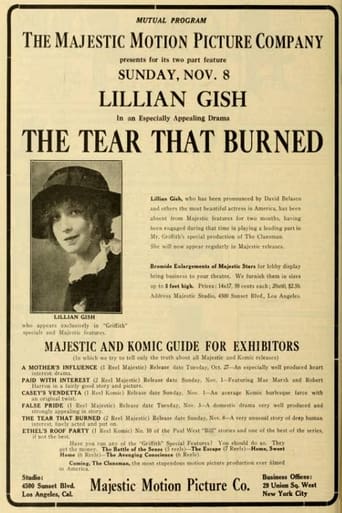
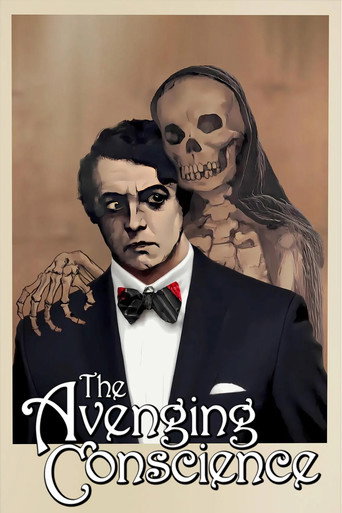
Men and Women
1914
Home, Sweet Home
1914

Strongheart
1914

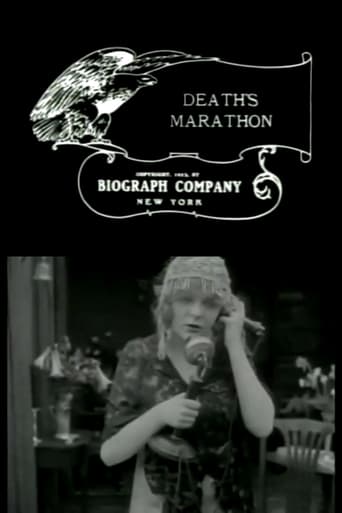
Death's Marathon
1913
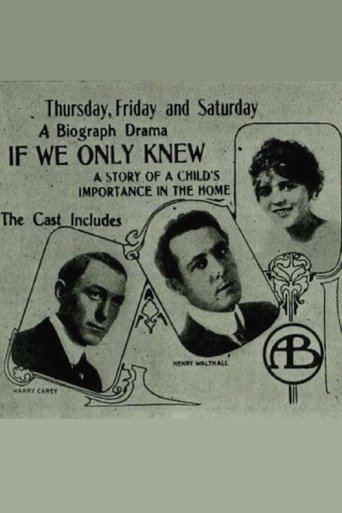
If We Only Knew
1913
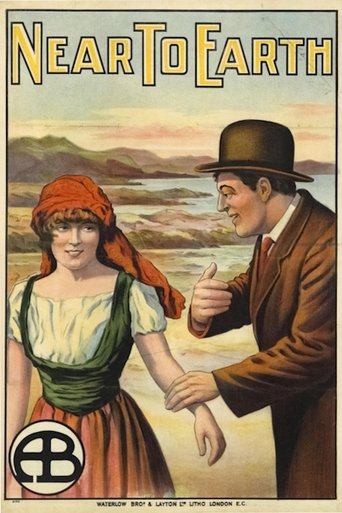
Near To Earth
1913
Broken Ways
1913
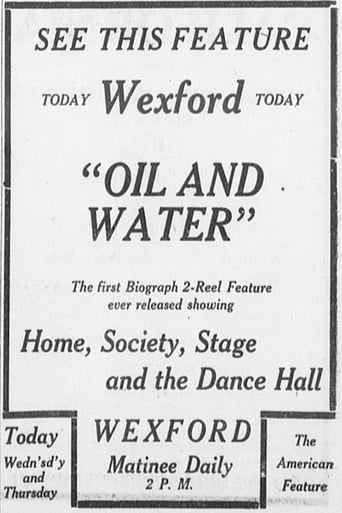
Oil and Water
1913
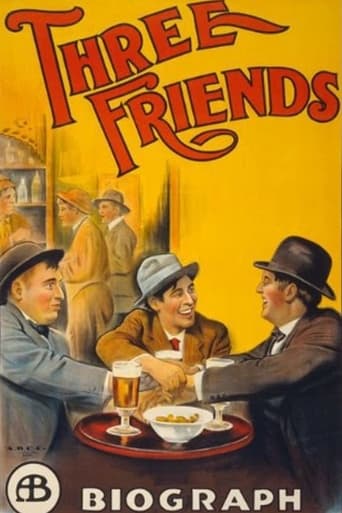
Three Friends
1913

The Massacre
1912
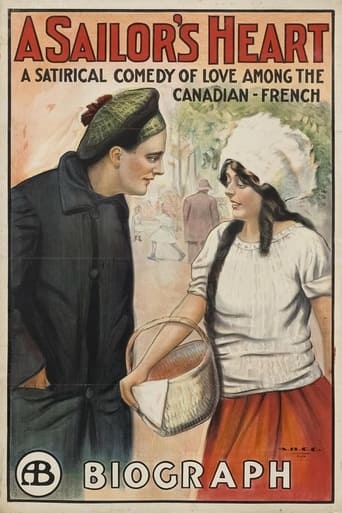
A Sailor’s Heart
1912
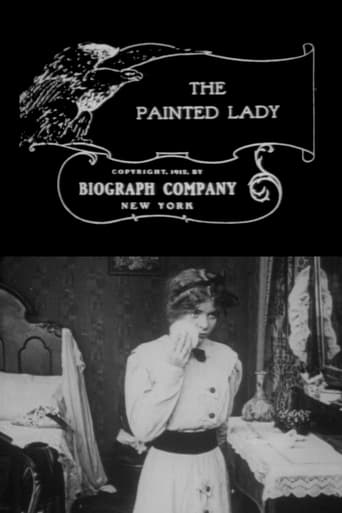
The Painted Lady
1912
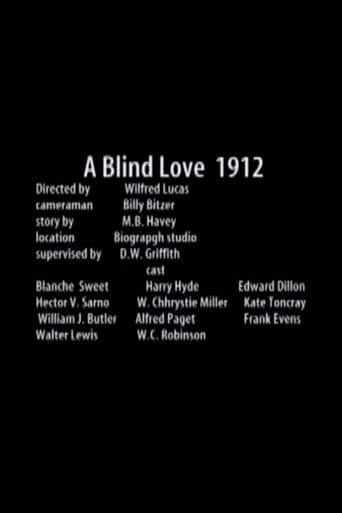
Blind Love
1912

The Lesser Evil
1912
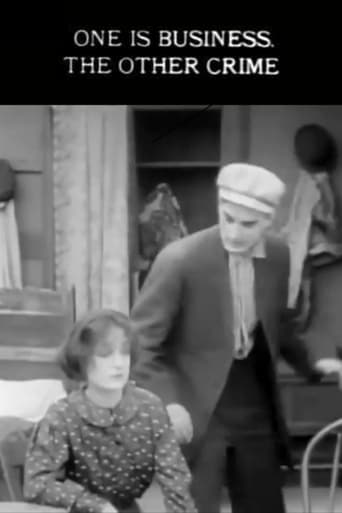
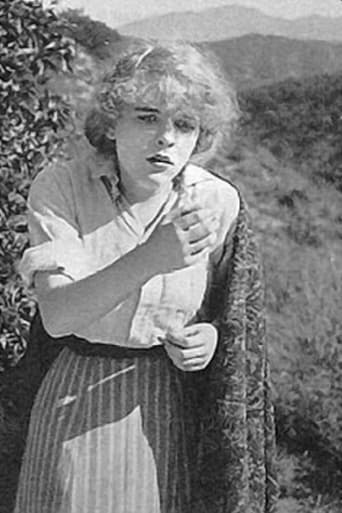
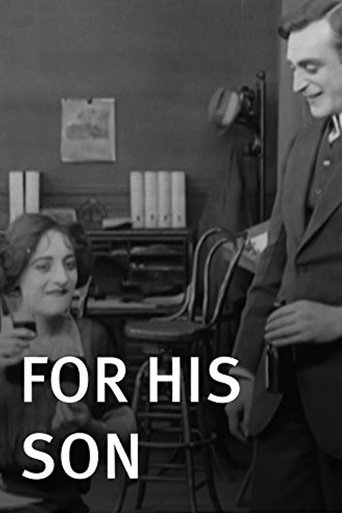
For His Son
1912
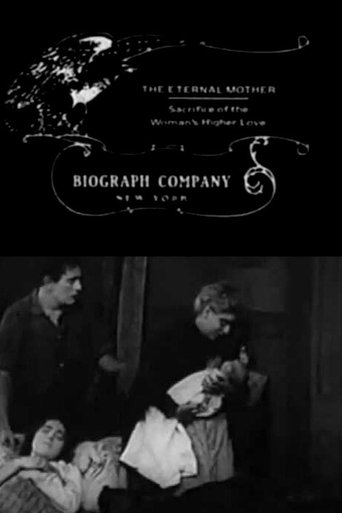
A Woman Scorned
1911
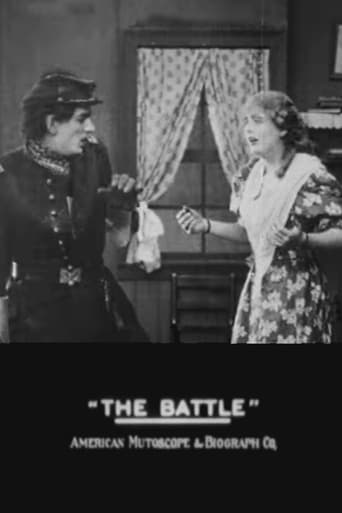
The Battle
1911
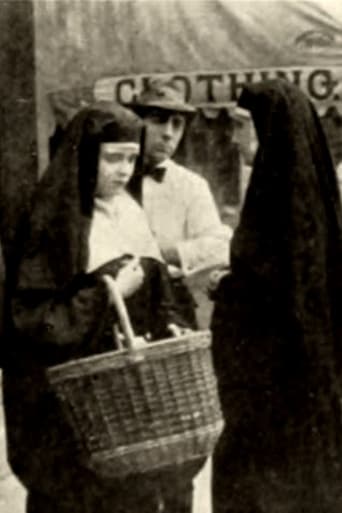
The Long Road
1911

A Country Cupid
1911
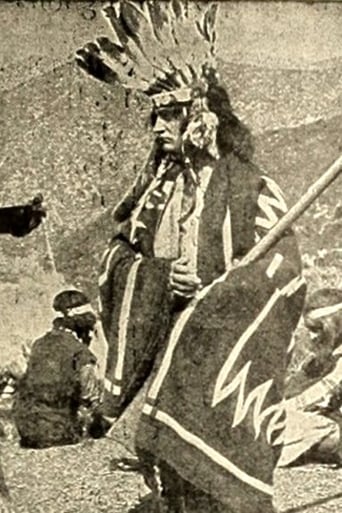
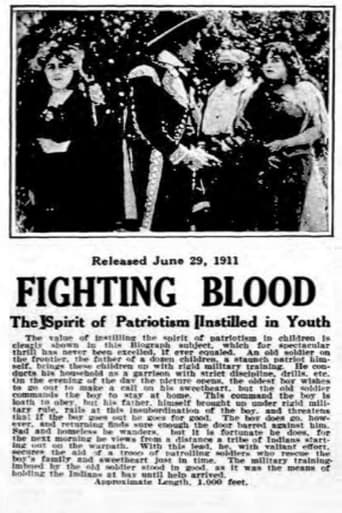
Fighting Blood
1911
The Primal Call
1911

Enoch Arden
1911

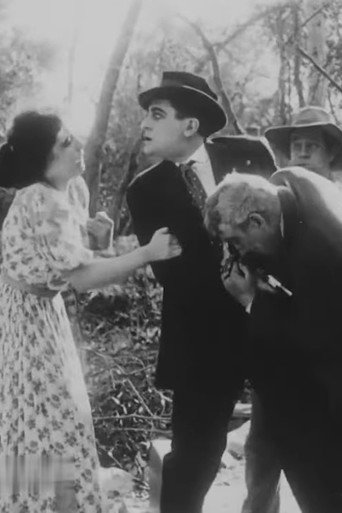
His Daughter
1911
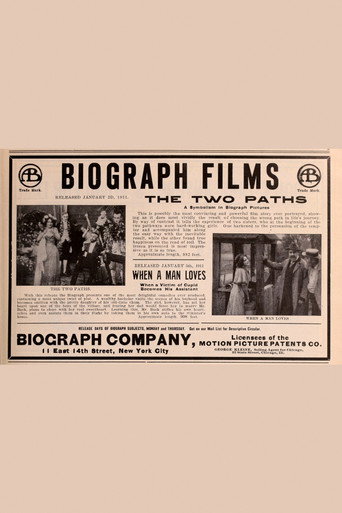
The Two Paths
1911

A Flash of Light
1910
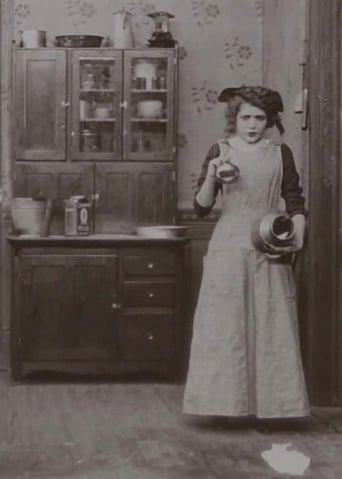
The Rocky Road
1910
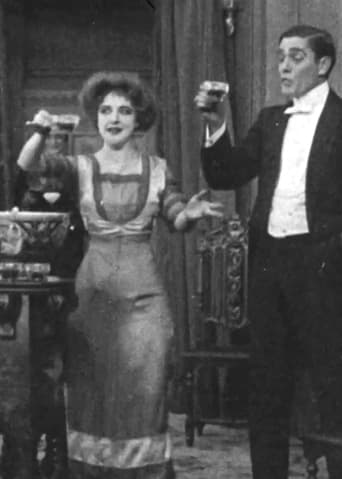
The Day After
1909
To Save Her Soul
1909
